Cold Storage, Smart Scheduling: The New Standard for Wet Food Cat Feeders
News Details
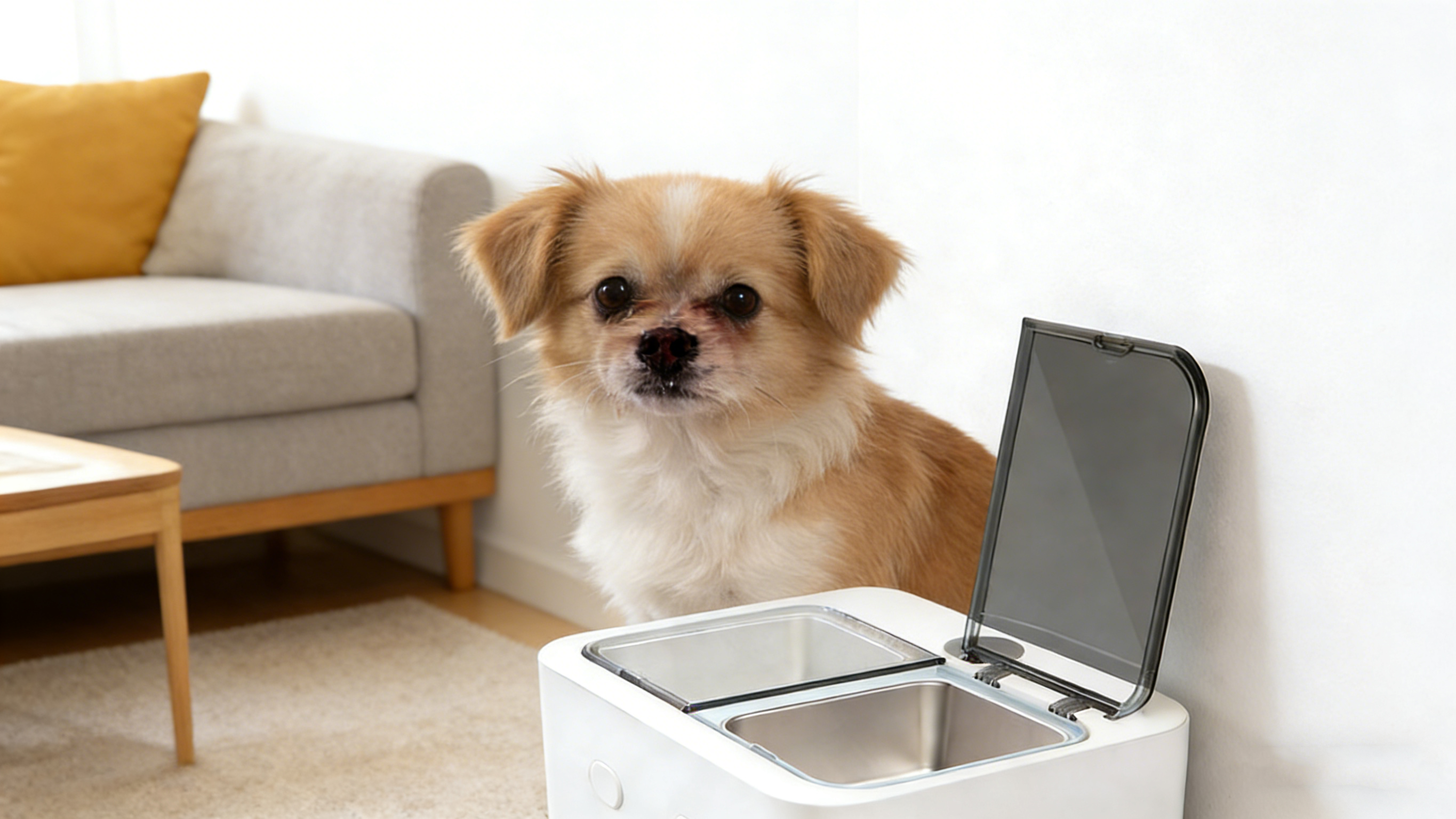
Wet food offers cats better hydration, stronger flavor appeal, and improved nutrition—but keeping it fresh has always been a challenge. Traditional feeders work well for dry food, yet fall short when it comes to wet meals. That’s why cold storage combined with smart scheduling is quickly becoming the new standard for wet food cat feeders.
Why Freshness Matters for Wet Food
Wet food is sensitive to temperature and time. Once exposed to air, it can spoil quickly, lose texture, and develop unpleasant odors. Refrigerated wet food feeders keep meals at a safe, cool temperature until feeding time, helping preserve freshness, taste, and nutritional value.
Cold Storage That Works Around Your Cat’s Schedule
Unlike manual feeding, refrigerated feeders allow pet owners to prepare meals in advance. Smart scheduling ensures each portion is released at the right time, maintaining a consistent routine while preventing overexposure to room temperature. Cats receive fresh meals without owners needing to be present.
A Smarter Solution for Busy and Traveling Owners
For pet owners with long workdays, unpredictable schedules, or short trips away from home, cold-storage feeders provide peace of mind. Meals stay fresh throughout the day, reducing waste and eliminating concerns about food safety when feeding wet food automatically.
Better Mealtime Experience for Cats
Cats are highly sensitive to smell and texture. Fresh, properly stored wet food is more appealing and easier to eat. By combining refrigeration with precise timing, smart feeders support healthier eating habits and reduce the chances of cats refusing dried-out meals.
The Future of Wet Food Feeding
As more cat owners shift toward wet or mixed diets, feeding solutions must evolve. Cold storage and intelligent scheduling are no longer premium features—they’re becoming essential. Wet food cat feeders designed with refrigeration set a new benchmark for convenience, hygiene, and feline wellbeing.


