Common Problems with Self Cleaning Litter Boxes: Causes, Fixes, and Smart Solutions
News Details
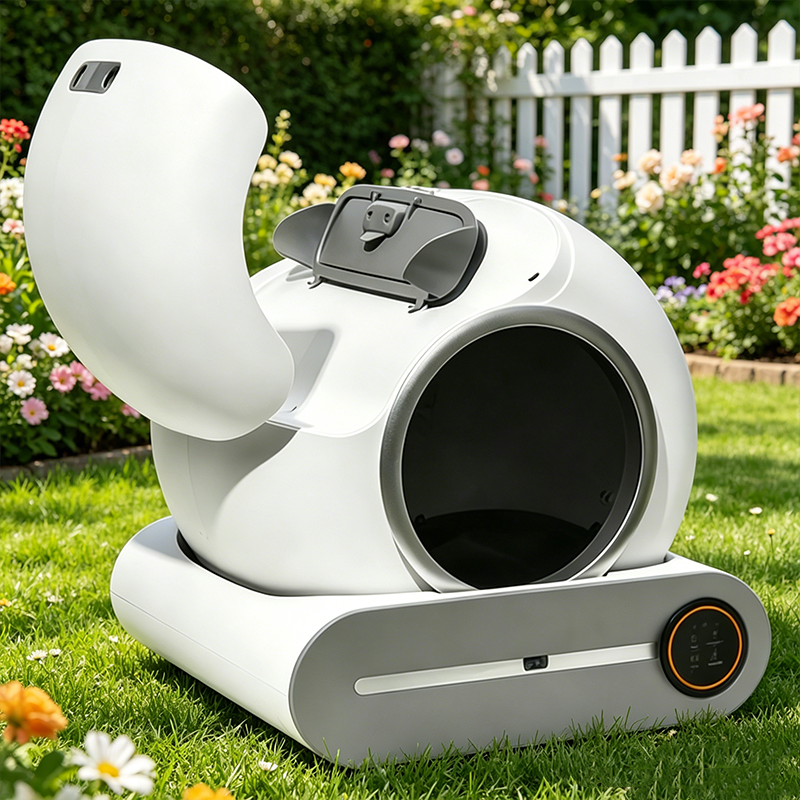
Modern pet owners love the convenience of a self cleaning litter box. It saves time, reduces daily scooping, and helps keep homes cleaner. However, like any smart device, it can sometimes face problems. Many cat owners ask why their automatic litter box stops working, smells bad, or fails to clean properly.
The good news is that most self cleaning litter box problems have simple solutions. With the right maintenance and the right product, you can enjoy reliable performance for years.
This guide explains the most common issues, how to solve them, and what features to look for when choosing a better automatic litter box.
Common Self Cleaning Litter Box Problems
Even high-quality automatic litter boxes need proper use and regular care. Below are the issues owners report most often.
The Litter Box Does Not Start Cleaning
One of the most common self cleaning litter box problems is when the cleaning cycle does not begin after a cat leaves.
Possible causes include:
- Dirty or blocked sensors
- Incorrect power connection
- Software needing an update
- Weight below the detection limit
- Safety lock activated
Cleaning the sensors and checking the power supply often solves the issue. If your model supports firmware updates, installing the latest version may also improve performance.
The Litter Box Gets Stuck During Cleaning
Sometimes the cleaning drum or rake stops halfway through the cycle.
This usually happens because:
- Waste becomes trapped
- Too much litter has been added
- The wrong litter type is used
- Internal parts need cleaning
Always follow the manufacturer's recommended litter level and use compatible clumping litter whenever required.
Bad Odor Remains Inside the House
Although automatic litter boxes reduce smells, odor can still become a problem if maintenance is ignored.
Common reasons include:
- Waste bin is full
- Odor filter needs replacement
- Cleaning cycle is delayed
- Interior surfaces need washing
Emptying the waste container regularly and cleaning the inside of the litter box helps prevent unpleasant smells.
Litter Tracks Around the House
Many cat owners expect a self cleaning litter box to eliminate litter tracking completely. Unfortunately, tracking depends on both the litter and the entrance design.
To reduce tracking:
- Use a litter mat
- Avoid overfilling litter
- Choose low-tracking clumping litter
- Clean your cat's paws if needed
A well-designed entrance and leak-resistant structure also help keep floors cleaner.
Safety Concerns with Automatic Litter Boxes
Safety is one of the biggest concerns when buying a smart litter box.
Modern designs should include multiple protection systems that stop cleaning immediately when a cat approaches or enters the unit. Poorly designed products without reliable sensors may present unnecessary risks, making dependable safety technology an important consideration when choosing a model.
Before purchasing, look for features such as:
- Infrared sensors
- Weight sensors
- Automatic stop function
- Anti-pinch design
- Stable mechanical structure
These features help protect curious cats during every cleaning cycle.
WiFi or App Connection Problems
Many smart litter boxes connect to mobile apps for remote monitoring.
If the connection fails, try these steps:
- Restart the WiFi router
- Confirm the device uses a supported network
- Reset the litter box connection
- Update the mobile app
- Install the latest firmware
Stable wireless control allows owners to monitor cleaning status, receive notifications, and adjust settings from anywhere.
Choosing the Wrong Litter
Not every litter works well with automatic cleaning systems.
Problems caused by incompatible litter include:
- Poor clumping
- Cleaning jams
- Excess dust
- Sensor contamination
Always read the product instructions before switching litter brands.
Maintenance Is Often Overlooked
Many owners expect automatic litter boxes to require no maintenance.
In reality, regular cleaning keeps the system working efficiently.
A simple maintenance routine includes:
- Wiping sensors weekly
- Emptying the waste bin
- Cleaning moving parts
- Replacing odor filters
- Checking for software updates
Just a few minutes each week can greatly improve long-term reliability.
How Winpoint Products Help Solve These Problems
Many of these common issues can be reduced by choosing a litter box designed with both safety and convenience in mind.
Winpoint has developed smart self cleaning litter boxes that combine intelligent automation with practical daily use. Their products include features such as infrared sensors, weight sensors, WiFi connectivity, quiet operation below 50 dB, leak-resistant construction, washable interiors, and automatic odor control. These functions work together to improve safety while reducing maintenance for busy pet owners.
Customer Example 1: Reducing Daily Cleaning Time
A household with two indoor cats previously spent several minutes scooping litter every day. After switching to a Winpoint smart self cleaning litter box, the owner only needed to empty the waste container every few days while receiving app reminders when the bin became full. Daily litter maintenance became much easier.
Customer Example 2: Better Odor Management
Another family struggled with unpleasant litter box smells in a small apartment. They selected a Winpoint model equipped with an integrated odor elimination system and sealed waste collection. Combined with regular waste disposal, the home stayed noticeably fresher throughout the week.
Customer Example 3: Improved Confidence in Safety
One owner was worried about their curious kitten using an automatic litter box. After choosing a Winpoint model with infrared detection and weight sensing, the cleaning cycle paused whenever the cat approached, giving the owner greater peace of mind during everyday use.
How to Prevent Most Self Cleaning Litter Box Problems
Following a few simple habits can prevent many common issues.
- Use the recommended litter type.
- Do not overfill the litter chamber.
- Empty the waste bin before it becomes full.
- Clean sensors regularly.
- Keep firmware updated when available.
- Place the litter box on a flat, stable surface.
- Check moving parts during routine cleaning.
These small steps help extend the life of your automatic litter box while keeping your cat comfortable.
Is a Self Cleaning Litter Box Worth It?
For many families, the answer is yes.
A quality self cleaning litter box reduces daily work, keeps litter cleaner, improves odor control, and creates a more pleasant home environment. While occasional maintenance is still necessary, today's smart designs make pet care much easier than traditional litter boxes.
The key is choosing a reliable product with proven safety features, intelligent sensors, and durable construction. Products designed with these features can deliver consistent performance while making life easier for both cats and their owners.
Final Thoughts
Most self cleaning litter box problems are easy to solve with proper maintenance, correct litter selection, and regular cleaning. Understanding how these systems work helps prevent many common frustrations before they begin.
If you are looking for a smart litter box that focuses on safety, quiet performance, odor control, and convenient daily operation, Winpoint offers a range of intelligent solutions designed for modern cat owners. Their advanced features help reduce many of the problems discussed in this guide while providing a cleaner and more comfortable experience for both pets and families.


