Common Sourcing Mistakes When Importing Wet Food Feeders
News Details
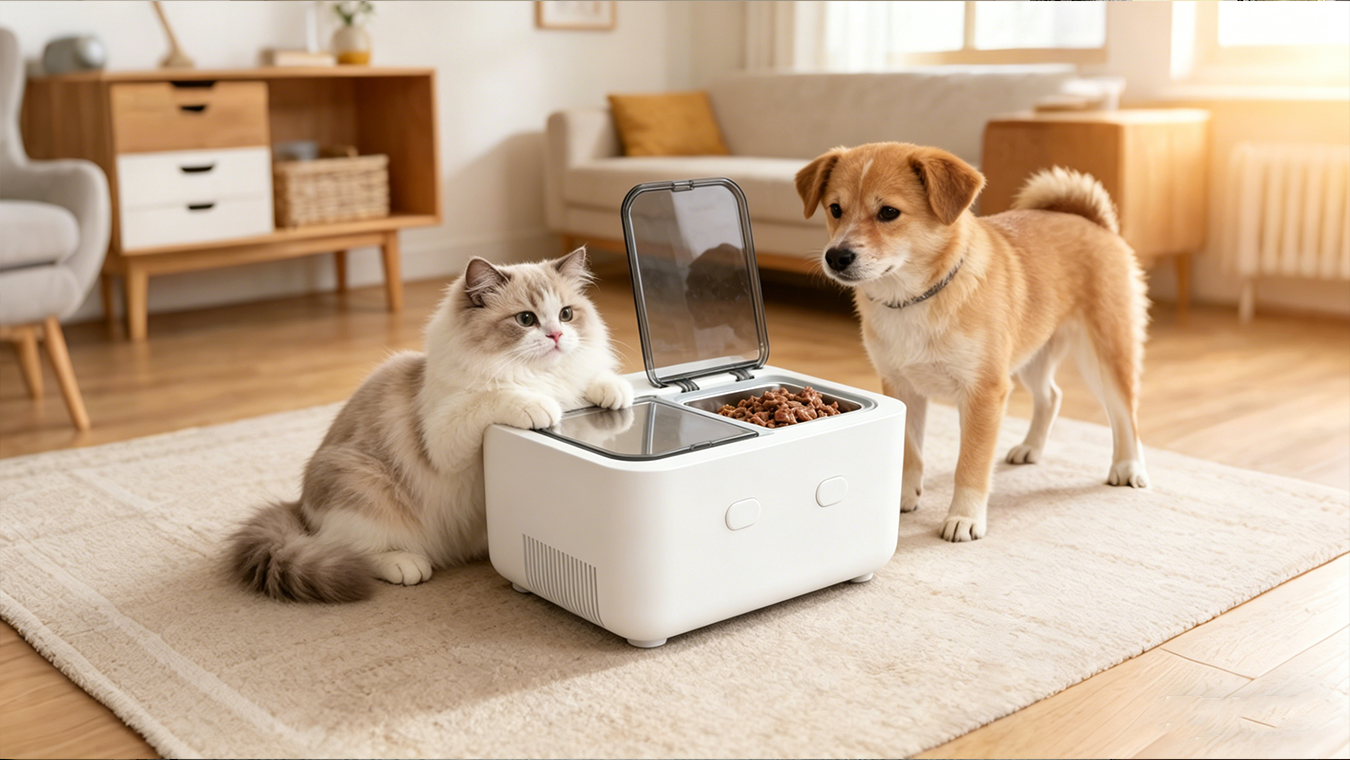
Bringing in wet food feeders from overseas can boost your product line and grow your business. However, many buyers make avoidable mistakes. These errors can lead to delays, extra cost, or poor product quality. In this article, we break down common sourcing mistakes when importing wet food feeders and show how smart planning and solid partners help you avoid them. We also include real examples from Winpoint Pet ( https://www.winpointpet.com) to help you make better choices.
Mistake #1: Skipping Material Safety Checks
One of the biggest mistakes is not checking if parts are safe for wet food contact. Products such as wet dog food dispense units, automatic dog feeder wet food, wet cat food dispenser, and automatic cat feeder wet food must use materials that are safe, non-toxic, and easy to clean.
For instance, one pet brand ordered a batch of wet food feeders without confirming material specs. After receiving samples, they found the plastic was not food-grade and had a strong smell. This forced them to pause their launch and order new samples. To avoid this, always request material safety data sheets before placing a full order.
Mistake #2: Ignoring Certifications
Another common error is assuming all suppliers meet basic quality standards. Without proper certifications, products may fail safety or market compliance checks, especially for feeders that touch wet food.
A Winpoint Pet customer once faced this issue. They almost ordered automatic feeders without asking for food-contact certifications. Winpoint Pet stepped in, provided all necessary reports, and helped them pass their retailer’s quality audit. This saved time and protected the brand’s reputation.
Mistake #3: Not Asking for Clear Lead Times
Many buyers assume production and delivery will be fast. However, lead time varies by order size, custom work, and factory workload. Failing to confirm exact timelines can disrupt your sales plans.
For example, a startup pet supplier planned a holiday launch but did not confirm lead time for their wet cat food dispenser units. The factory was backed up, and delivery slipped into the new year. With clear communication and a confirmed schedule from Winpoint Pet during planning, this type of delay can be avoided.
Mistake #4: Overlooking Package and Shipping Protection
Feeders often contain electronic parts and removable trays that can break if not packed well. Some buyers choose the cheapest shipment options and skip protective packaging. This can end in damaged goods and unhappy customers.
One distributor received many automatic cat feeder wet food units with cracked lids and broken trays. After this, they worked with Winpoint Pet to upgrade packaging with stronger boxes and custom foam inserts. This cut damage rates and saved on return costs.
Mistake #5: Failing to Order Samples First
Placing a large bulk order without checking original samples is risky. Sometimes photos look good, but the real product feels cheap or works poorly.
A boutique cat food brand once ordered large quantities of feeders online from a new supplier without checking samples. The units arrived with poor finish and hard-to-clean trays. They then sourced through Winpoint Pet, tested samples first, and only then confirmed the bulk order. This improved product quality and reduced costs.
Mistake #6: Not Verifying Supplier Experience
Choosing a supplier without pet product experience is a frequent error. Wet food feeders have unique design and material needs compared to dry feeders or other pet accessories.
For example, a buyer once approached a general plastic factory to make feeders. The result was parts that warped under heat and food stuck in grooves. After this, they shifted to a specialized pet supplier — Winpoint Pet — which helped them choose proven designs for wet dog food dispense systems that are easy to clean and long lasting.
Mistake #7: Poor Communication on Custom Features
Private label or custom features are common in pet feeder sourcing. However, if instructions are unclear, manufacturers might produce the wrong parts.
One pet food brand asked for unique lid colors and printed logos but did not provide detailed files or specs. This led to misprints and delayed delivery. Working with Winpoint Pet, who provided clear guidelines for artwork and packaging specs, solved this for future orders.
How to Avoid These Sourcing Mistakes
By avoiding the mistakes above, you can make importing wet food feeders smoother and more profitable. Here are simple tips that save time and money:
Always Verify Material Safety
Ask for detailed material specs and test reports for all parts that touch wet food. This ensures your wet cat food dispenser or automatic dog feeder wet food units are safe and cleanable.
Request Proper Certifications
Make sure factories can show food-grade and quality process certificates. This helps with customer trust and retailer requirements.
Agree on Precise Lead Times
Get a written timeline before payment. This avoids surprises and keeps your launch plans on track.
Pack for Protection
Discuss packaging upgrades if needed. Extra foam, stronger boxes, or branded cartons increase protection during long shipping routes.
Check Samples First
Always order and test samples before placing bulk orders. Check quality, fit, and operation before committing to a large purchase.
Work with Experienced Partners
Choose suppliers who understand pet feeder needs. Winpoint Pet supports buyers with tested designs, material reviews, and quality checks.
Communicate Custom Specs Clearly
Provide print-ready files, clear color charts, and design guides. This ensures your custom branding turns out as you expect.
Final Thoughts
Importing wet food feeders can be rewarding, but only if you manage the process carefully. By avoiding these common sourcing mistakes — from skipping material checks to overlooking packaging — you protect your brand and ensure happier customers. Working with experienced partners like Winpoint Pet gives you support at every step, whether you need wet dog food dispense systems or automatic cat feeder wet food units.
Start your next importer journey with clear goals, smart checks, and reliable partners to get the best results.


