Feeder Automatic Quality Control Checklist
News Details
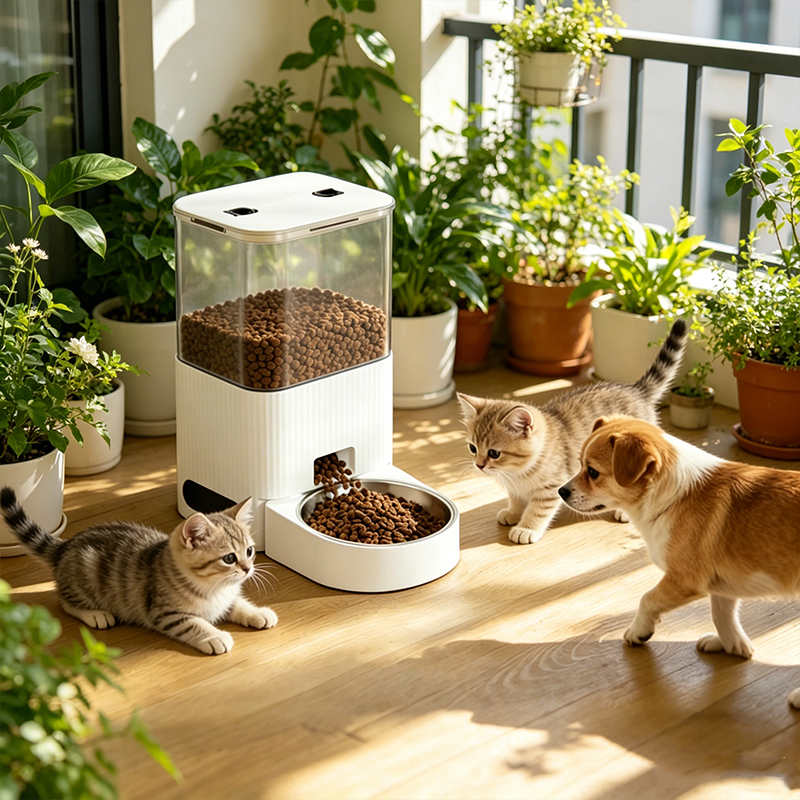
A reliable automatic feeder makes life easier for pet owners. However, building a product that works well and lasts long takes careful quality control. Whether you are launching an automatic dog feeder or an automatic cat feeder, a strong checklist helps you catch problems early and ensure buyers are happy. In this guide, we walk through a clear feeder automatic quality control checklist you can use before production or shipment. We also share real examples and solutions from Winpoint Pet to show how quality checks make a difference.
Why Quality Control Matters
Automatic feeders are expected to run every day with moist pet food inside. If parts are weak or motors fail, customers will complain and return products. Good quality control helps you:
- Avoid product failures
- Ensure safe and long-lasting feeding
- Improve brand trust
- Reduce returns and complaints
One Winpoint Pet client launched a new automatic feeder and saw some units stop feeding after a few cycles. After reviewing their quality steps with Winpoint Pet, they fixed assembly issues and saw defects drop sharply.
Pre-Production Checklist
Before mass production, you must check designs and parts. At this stage, your goals are to prevent problems and ensure consistency.
1. Review Product Specifications
Ensure the feeder specs match what you promised:
- Size and weight
- Motor speed and capacity
- Power type (battery or adapter)
- Material grades
In one example, a startup brand missed motor power specs, which caused slow food dispense. Working with Winpoint Pet, they updated specs before production and avoided delays.
2. Confirm Material Quality
Check that plastics, metals, seals, and electronics are safe and strong. Ask for:
- Material test reports
- Food-safe certificates if near food zones
- Supplier part check photos
This step helps avoid cracking, rusting, or smells when wet food is used.
3. Prototype Testing
Build first samples and use them like customers would:
- Add wet food and watch dispense
- Run the feeder on timer cycles
- Clean parts and check fit
Prototypes often show issues that design files miss. Winpoint Pet helped one brand adjust tray size after prototype testing found food sticking in corners.
In-Line Production Checklist
Once production begins, checks ensure every unit matches your quality standards.
1. Visual Inspection
Look at each feeder for obvious issues:
- Scratches or marks
- Loose buttons
- Misaligned parts
Good assembly means parts fit tight and clean.
2. Functional Testing
Test basic product functions:
- Does the motor run?
- Does the tray move smoothly?
- Do buttons work?
- Is the LED display clear?
Winpoint Pet tests units on lines so that products with stuck gears or bad motors are caught before packing.
3. Food Dispense Test
Run the feeder with food or simulated weight:
- Confirm dose size is right
- No jams during rotation
- Smooth release of wet food
This test is key for automatic dog feeder wet food and automatic cat feeder wet food products where consistency matters.
4. Power Stress Test
Check for power issues:
- Run on battery until low
- Test adapter power stability
- Check reset behavior after power loss
Unexpected power failures cause unhappy customers, so this is a must.
Final Inspection and Packaging
Before your products ship, final checks confirm readiness.
1. Clean and Ready
Ensure all parts are clean and free of oil, dust, or scraps from assembly. Clean units are part of good first impressions.
2. Label and Manual Check
Check that:
- Manuals are included
- Labels match product model and batch
- Safety warnings are clear
Good documentation reduces confusion and support requests.
3. Pack Fit and Protection
Check packaging:
- Does the feeder fit snugly?
- Are fragile parts protected?
- Are wires and accessories bundled securely?
Secure packaging lowers damage during shipping.
Post-Production Spot Checks
Even after shipment, quality events must be monitored. Ask customers or local partners to share rare issues and review:
- Return reports
- Feedback ratings
- Field performance comments
One Winpoint Pet partner used end-user surveys to find that users wanted clearer timer settings. They updated instructions and improved satisfaction without changing hardware.
Benefits of Using a Quality Control Checklist
Using a checklist gives you:
- Predictable quality
- Fewer mistakes
- Faster problem fixing
- Stronger brand reputation
Brands that skip quality steps often face returns, bad reviews, and low repeat purchases.
Winpoint Pet Support and Quality Expertise
Winpoint Pet helps brands with quality control from design to final inspection. Their team reviews specs, checks materials, and supports testing so that automatic dog feeder and automatic cat feeder products meet expectations.
Many clients enjoy:
- Clear quality steps to follow
- Help with testing gear and tools
- Real tests before mass orders
Final Thoughts
A feeder automatic quality control checklist is a vital tool for any pet brand selling automatic feeders. By checking every step — from design and materials to final packaging — you protect your customers and brand. With the right process and support from partners likeWinpoint Pet, you can deliver reliable, easy-to-use automatic feeders that pet owners trust and enjoy.


