OEM vs ODM Pet Products: Which Solution Is Better for Your Brand?
News Details
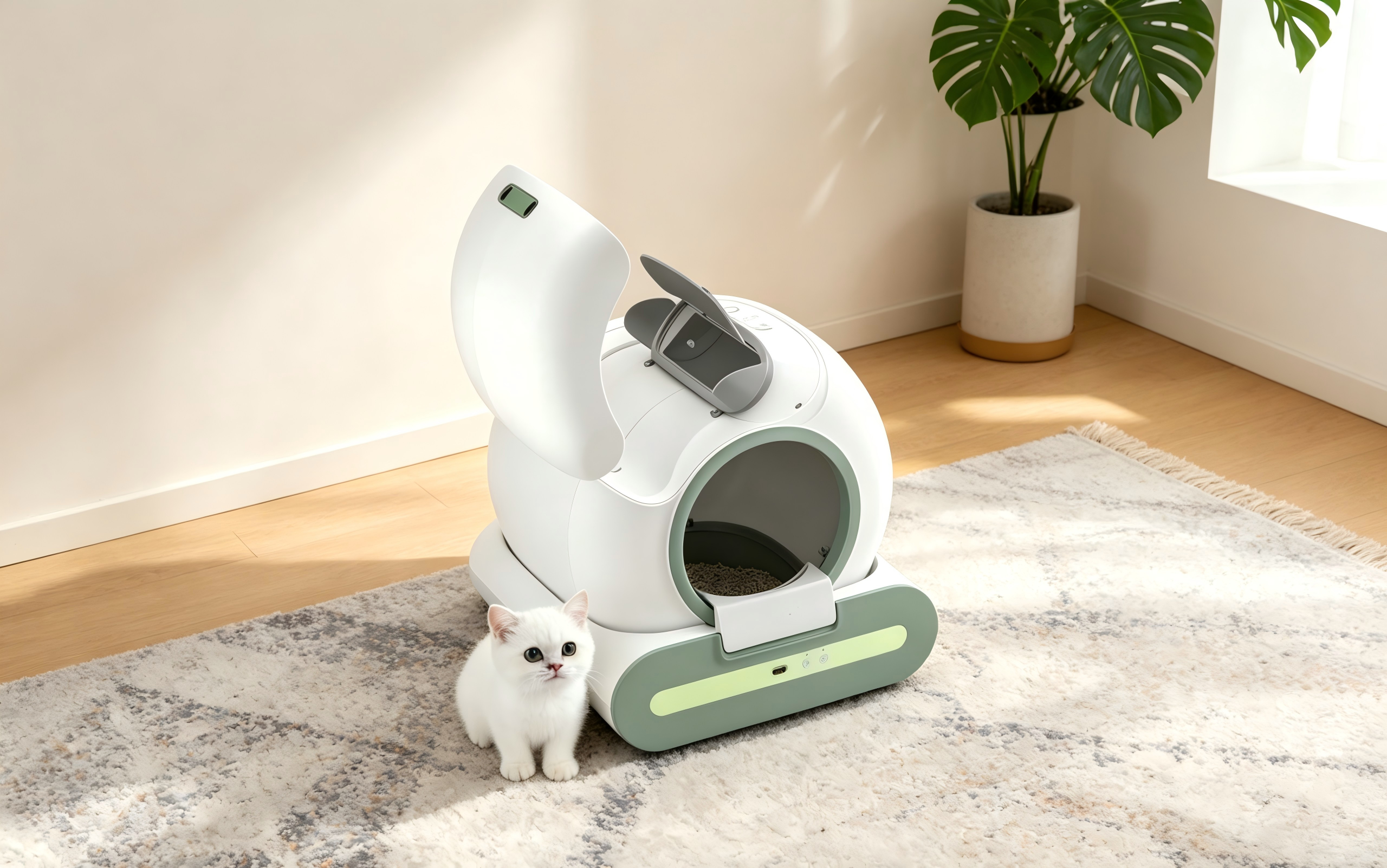
Launching a new pet product can be exciting, but choosing the right manufacturing model is a key business decision. For pet brands, distributors, and wholesalers, the two most common choices are OEM and ODM pet products.
Both models can help you build a product line without setting up your own factory. However, they work in different ways.
OEM is usually better when you already have a clear product design or want to customize an existing product. ODM is often a better fit when you need design support and want to launch a product faster.
So, which solution is better for your brand? The answer depends on your product goals, budget, timeline, and level of customization.
What Is OEM in Pet Product Manufacturing?
OEM stands for Original Equipment Manufacturer. In an OEM project, the manufacturer produces a product based on your requirements, design, or specifications.
For example, a pet brand may already know what type of automatic dog feeder wet food product it wants to sell. The brand may have its own appearance, packaging, logo, or feature requirements. The manufacturer then turns these requirements into a finished product.
OEM can include:
- Custom logos and branding
- Custom colors and appearance
- Custom packaging
- Product specifications
- User manuals
- Selected hardware or feature changes
- Market-specific requirements
This approach gives brands more control over the final product.
What Is ODM in Pet Product Manufacturing?
ODM stands for Original Design Manufacturer. With ODM, the manufacturer provides an existing product design or platform that can be adapted to the customer's brand and market.
This can be useful for businesses that do not have an in-house product development team.
For example, a new pet brand may want to launch a wet cat food dispenser, but it does not have the resources to develop the product from the beginning. An ODM manufacturer can provide a tested product platform and help customize its appearance, packaging, or selected functions.
As a result, ODM can shorten development time and reduce the cost of starting a new product category.
OEM vs ODM: What Is the Main Difference?
The biggest difference is who takes the lead in product development.
FactorOEMODMProduct designMainly customer-ledMainly manufacturer-ledCustomizationHighModerate to highDevelopment costUsually higherUsually lowerDevelopment timeLongerUsually fasterProduct uniquenessHigherDepends on customizationBest forEstablished brandsNew or growing brandsDevelopment supportBased on projectUsually more extensive
In simple terms, OEM gives you more control, while ODM gives you more speed and development support.
When Should You Choose OEM Pet Products?
OEM is a strong choice when your brand already has a product concept.
For example, you may have identified a specific customer problem and developed your own product design. You may also have a strong brand identity that requires a unique appearance.
OEM is especially suitable when:
- You already have product specifications
- You need deeper customization
- Product differentiation is important
- You have an established brand
- You plan to build a long-term product line
- You need specific functions for your target market
For smart pet products, OEM can also be useful when you want to combine different functions into one product.
For example, a brand may want an automatic cat feeder wet food solution with a specific feeding capacity, cooling function, appearance, and packaging style.
When Should You Choose ODM Pet Products?
ODM is often the better choice when speed and lower development risk are your priorities.
A startup, distributor, or retailer may understand its target customers but have limited product development experience. Instead of developing a feeder from zero, the company can start with a mature product platform and customize it for its market.
ODM may be suitable when:
- You want to launch quickly
- You have limited product development resources
- You want to reduce tooling and development costs
- You are testing a new market
- You need a reliable product platform
- You want manufacturer support during development
This is particularly useful for products such as wet food feeders, where product design involves more than appearance. Food storage, feeding control, cooling, hygiene, and user convenience all need to work together.
OEM vs ODM for Wet Food Feeders
Wet food feeders are a good example of where the right manufacturing model matters.
A simple wet dog food dispense product may only require basic customization. In this case, OEM or private label production can help a distributor launch quickly.
However, a smart automatic dog feeder wet food product can require more development. Features such as cooling, scheduled feeding, automatic opening, and food freshness management can make the project more complex.
The same applies to cat products. A wet cat food dispenser may need a compact design for smaller homes, while an automatic cat feeder wet food model may require timed feeding, temperature control, and easy cleaning.
Therefore, brands should consider the technical level of the product before choosing OEM or ODM.
How Winpoint Supports OEM and ODM Pet Product Projects
Winpoint provides OEM and ODM solutions for smart pet products, including automatic feeders, wet food feeders, and self-cleaning cat litter boxes. Its product range includes smart pet feeders with app control, backup power, detachable food parts, and wet food feeder solutions with cooling, heating, and automatic lid functions.
For brands entering the wet food feeder market, this type of product platform can reduce the need to develop every component from scratch.
Winpoint also supports customization such as private labeling, packaging, product appearance, and selected product requirements.
WinpointCase: Private Label Wet Food Feeder
One Winpoint project involved a growing pet supplies company that wanted to add feeding products to its existing product range but did not have its own manufacturing experience.
Instead of developing a new product from zero, the company selected an existing wet food feeder platform. Winpoint then supported private label branding, customized packaging, and market-specific user guides.
Because the project followed an OEM model, the brand could reduce development time and move toward launch more efficiently.
This approach is a practical example of how an existing product platform can help a growing brand enter a new category without taking on the full cost of independent product development.
Winpoint Case: Custom Automatic Feeders
Another Winpoint project involved a premium dog food brand that wanted to pair its products with an automatic dog feeder wet food solution.
The project included customized feeding capacity and screen design. This allowed the brand to create a feeder that matched its existing product line rather than simply adding a generic feeder to its portfolio.
For a brand that sells pet food, this type of product combination can also create opportunities for bundles and cross-selling.
Which Is Better: OEM or ODM?
There is no single answer for every pet brand.
Choose OEM if product uniqueness, deeper customization, and brand control are your main priorities.
Choose ODM if faster development, lower initial risk, and access to an existing product platform are more important.
For many growing brands, a combination of both approaches can work well. You might begin with an ODM product to test market demand. Once sales grow, you can move toward deeper OEM customization and develop a more distinctive product.
How to Choose the Right Pet Product Manufacturer
The manufacturing model is only one part of the decision. The supplier itself is equally important.
Before starting an OEM or ODM project, consider:
- Product development experience
- Manufacturing capability
- Quality control process
- Customization options
- MOQ requirements
- Sample and prototype support
- Packaging services
- Production lead time
- After-sales support
- Experience with overseas markets
A good supplier should not only produce the product. It should also help you solve practical problems during development and production.
Final Thoughts
OEM and ODM pet products can both provide an efficient path for brands that want to expand their product range.
OEM offers greater control and customization, while ODM provides a faster and often lower-risk route to market. The best choice depends on how unique your product needs to be, how quickly you want to launch, and how much development work your team can manage.
For brands exploring products such as wet dog food dispense, automatic dog feeder wet food, wet cat food dispenser, and automatic cat feeder wet food, working with an experienced manufacturer can make the development process much easier.
Winpointoffers OEM and ODM solutions across smart pet feeders, wet food feeders, and other smart pet care products, helping brands move from product concept to commercial production.


