Self-Cleaning Litter Tray Manufacturing Standards and Quality Checks
News Details
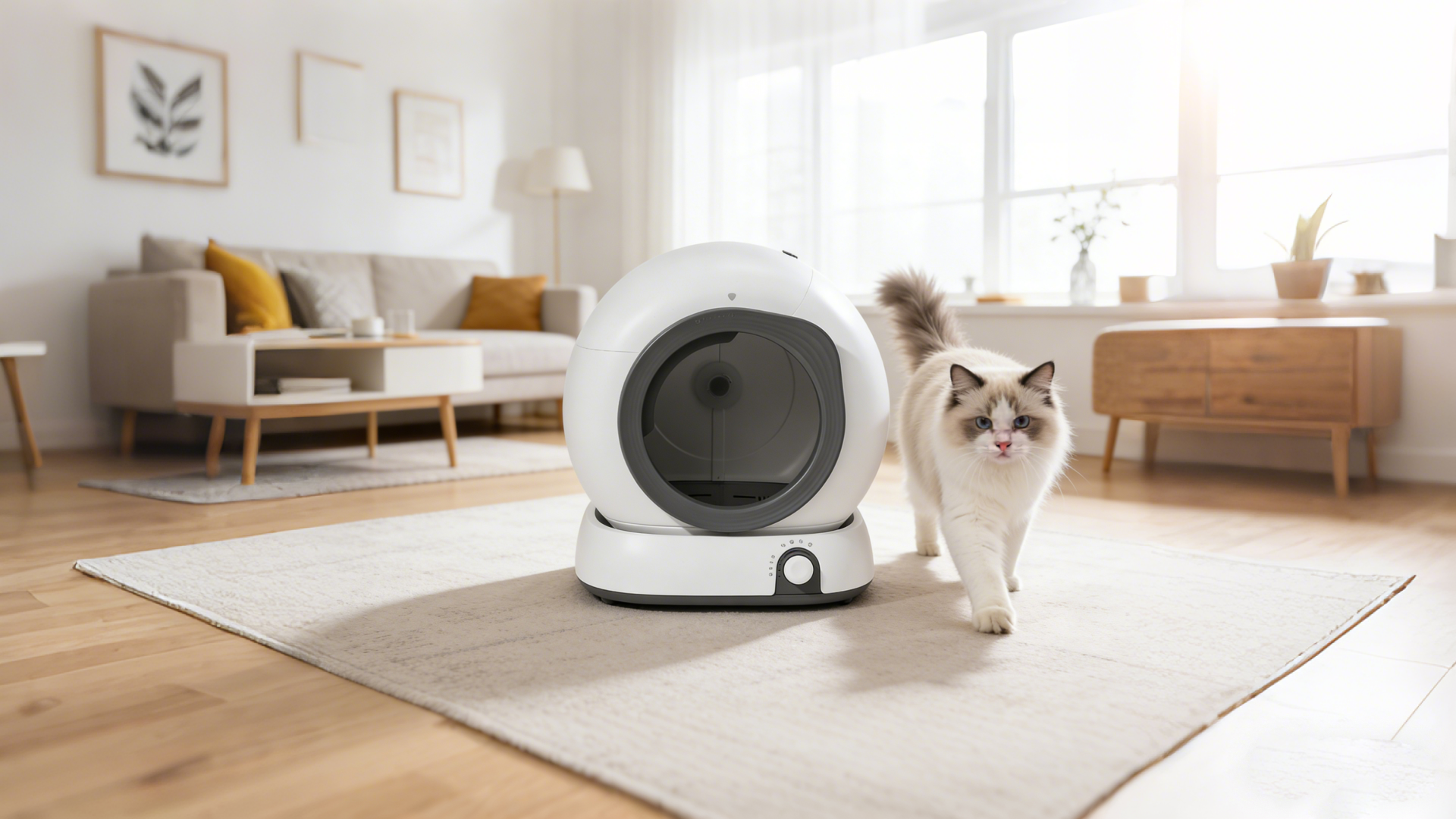
Manufacturing self cleaning litter trays and auto scooping cat box products that work well and last long requires strict standards and thorough quality checks. As more pet brands and wholesalers enter this market, understanding how products are made, tested, and inspected is key to success. Below, we explain the most important manufacturing standards, quality checkpoints, and real solutions from Winpoint that help products stand out.
Why Manufacturing Standards Matter for Self Cleaning Litter Trays
When customers buy a self cleaning litter tray, they expect safety, reliability, and long-term use. However, several things can go wrong if manufacturing standards are weak:
- Sensors fail too often
- Motors wear out early
- Plastic parts break
- Odor control does not work
- Electrical safety problems occur
Therefore, good manufacturing standards reduce returns, boost customer trust, and help products sell better over time.
Core Components of Self Cleaning Litter Tray Quality
Self cleaning litter trays are more than just boxes. They combine electronics, moving mechanical parts, and user interfaces. These key components must meet high standards:
1. Sensor Systems
Most self cleaning litter trays use infrared and weight sensors to detect when a cat enters and exits. This detection must be accurate to avoid cleaning at the wrong time.
For example, Winpoint products use dual sensor systems to ensure that cleaning starts only after the cat has safely left. This reduces false triggers and increases user trust.
2. Motor and Mechanical Parts
The motor drives the auto scooping cat box mechanism. Poor motor quality can lead to grinding noises, slow cleaning cycles, or total failure.
Better products use tested motors with long life spans and smooth operation. Winpoint selects motors that balance power and quiet performance to give customers a better experience.
3. Material and Structural Design
Plastic housing, litter trays, and waste compartments must be sturdy and easy to clean. Cheap materials may crack under stress or warp over time.
Winpoint chooses high-grade plastic materials that resist wear and are safe for pets. This makes the units durable and easier to maintain.
4. Odor Control Systems
One of the main reasons buyers choose self cleaning litter trays is better odor control. Quality units use sealed waste bins and filters to trap smells.
Winpoint models include enclosed waste drawers and optional carbon filters to help reduce smell, even in apartments.
Quality Checks During Production
Manufacturing standards only work if quality checks are carried out at every stage of production. These checks are essential for reliability and safety.
First: Incoming Material Inspection
Before production begins, suppliers must inspect raw materials:
- Plastic parts
- Electronic boards
- Sensors and cables
- Motors and gears
Faulty parts at this stage can cause problems later. Winpoint audits its component suppliers and tests all incoming parts before they enter production.
Second: In-Line Production Tests
During assembly, regular checks help catch issues before the product is finished. These checks include:
- Sensor calibration tests
- Motor turning tests
- Structural fit checks
- Screws and fastener checks
By testing each section as it is built, manufacturers reduce defects and improve consistency.
Third: Final Product Inspection
After assembly, every unit must be tested as a whole. Typical final inspections include:
- Power-on test
- Cleaning cycle test
- Sensor response test
- Odor control and waste bin sealing check
- Noise and vibration test
Winpoint runs final inspections on every production batch and keeps records to trace any issue later.
Safety Standards for Self Cleaning Litter Trays
Safety is a must for smart pet products. Because these units include electrical parts and moving mechanisms, following safety standards prevents accidents.
Electrical Safety
Products should have:
- Proper insulation
- Stable power supply systems
- Overcurrent protection
- Certification where required (e.g., CE, UL)
Winpoint models undergo electrical safety testing to meet local regulatory requirements in export markets.
Mechanical Safety
Moving parts must not harm pets or users. This involves:
- Emergency stop features
- Sensor safety guards
- Smooth edges on all parts
Winpoint builds safety into the mechanical design to reduce risk.
Client Case Study: Reducing Defects Through Better Quality Standards
A pet product wholesaler once faced a high return rate on a low-cost auto scooping cat box brand they imported. Customers complained that the sensors failed and motors died quickly.
After switching to a self cleaning litter tray series from Winpoint, the situation improved:
- Winpoint provided samples for pre-order testing.
- The wholesaler tested sensor accuracy and noise levels.
- They also checked odor control performance.
- After these tests, the wholesaler placed a large order.
Result: The return rate dropped by 60% within six months, and retailers reported fewer complaints.
This shows how investing in good quality standards at the start saves money and builds customer confidence.
How OEM Standards Influence Long-Term Brand Success
For brands that use self cleaning litter OEM services, manufacturing standards become part of their own reputation. Poor quality products reflect badly on the brand, even if they are made by a third party.
A strong OEM partner like Winpoint offers:
- Proven designs that have passed strict quality checks
- Detailed inspection reports before bulk orders
- Clear documentation and test results
- Custom branding options without cutting quality
This means brands can rely on their products and maintain a good reputation with customers from day one.
Common Problems That Good Quality Checks Avoid
Failing to check critical items can lead to problems like:
- Cleaning cycle stops mid-way
- Unit does not respond to cat weight
- Odor escapes from waste bins
- Power issues or overheating
- Breaks during shipment
With strong standards and quality checks, these problems are detected and fixed early.
Winpoint quality processes help catch these issues long before the products reach wholesalers or retailers.
Choosing a Manufacturing Partner With Verified Quality Processes
When choosing a supplier for self cleaning litter trays and auto scooping cat boxes, wholesalers and brands should ask:
- Do you test parts before production?
-
Share to:


 Low MOQ Self Cleaning Litter Tray Options for Growing Pet BrandsWhat Pet Product Wholesalers Should Know Before Importing Self-Cleaning Litter Trays


