Wet Food Feeder Manufacturing Standards and Food-Safe Materials
News Details
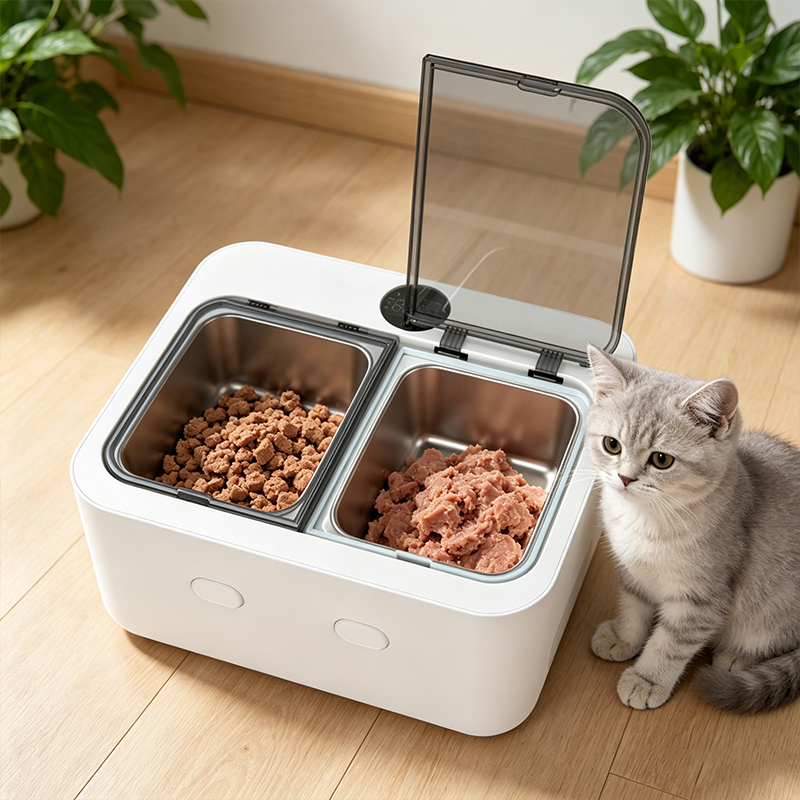
Wet food feeders must be safe, durable, and easy to clean. Because wet food contains moisture and oils, poor materials can cause odor, bacteria growth, and safety risks. Therefore, understanding manufacturing standards and food-safe materials is essential for any brand that sells wet food feeders.
In this guide, we explain what to look for, why it matters, and how real brands work with Winpoint Pet ( https://www.winpointpet.com) to ensure product safety and quality.
Why Food-Safe Materials Are Critical
Wet food stays in direct contact with feeder trays and bowls. If the material is not safe, it may release harmful substances or absorb smells over time. As a result, pets may refuse to eat, and owners may complain.
For this reason, high-quality feeders use:
- BPA-free plastics for trays and covers
- 304 stainless steel for bowls and key parts
- Food-grade silicone for seals
- Smooth, non-porous surfaces that resist bacteria
These materials protect both pets and product lifespan.
Key Manufacturing Standards for Wet Food Feeders
Good materials alone are not enough. The way the feeder is built also matters.
Material Certification
Suppliers should provide test reports proving that plastics and metals are safe for food contact. These reports show the product meets safety rules for long-term use.
Structural Durability
Wet food feeders are opened, cleaned, and used daily. Hinges, trays, lids, and motors must resist wear. Weak parts lead to cracks and leaks.
Easy Cleaning Design
Design should allow owners to remove bowls and trays easily. Deep grooves and hidden corners can trap food waste and create hygiene problems.
One Winpoint Pet client upgraded their feeder tray design after testing showed food getting stuck in corners. The new smooth design reduced customer complaints and improved reviews.
How Winpoint Pet Supports Safe Production
Winpoint Pet works closely with factories that follow strict quality rules for pet feeders.
Material Review Before Production
Before mass production, Winpoint Pet checks material data sheets and confirms food-safe ratings. This prevents issues later.
Factory Quality Checks
Factories are reviewed for clean production environments and proper part handling. This reduces contamination risks during assembly.
Final Product Inspection
Each feeder is checked for surface qualityility,, seal tightightness,nd ease of cleaning before shipment.
For examplemp, a pet brand发展velopinm a wet food feeder line worked with Winpoint Pet to replace low-grade plastic with higher food-safe material. This improvedimpro product feel and reduced return rates.
What Brands Should Ask Suppliersppliers
To avoid future problems, brands should ask:
- Are all food-contact parts BPA-free and certified?
- Can trays and bowls be removed for washing?
- Has the feeder been tested for long-term use?
- What quality checks are done before shipping?
Clear answers to these questions help ensure a reliable product.
Case Study: Improving Feeder Quality
A startup pet food brand wanted to bundle feeders with wet food kits. However, early samples from another supplier showed discoloration after washing. They then sourced through Winpoint Pet.
Winpoint Pet recommended feeders with stainless steel bowls and upgraded plastic trays. After switching, the brand received positive feedback from customers about safety and ease of cleaning.
Why This Matters to Pet Owners
Pet owners care about:
- Safe materials for their pets
- Easy cleaning routines
- No lingering food smell
- Reliable daily use
When feeders meet these needs, brands earn trust and repeat buyers.
Final Thoughts
Wet food feeder manufacturing standards and food-safe materials directly affect pet health, product life, and brand reputation. By choosing the right materials and working with experienced partners like Winpoint Pet, brands can offer feeders that are safe, practical, and trusted by pet owners.
If you are planning to source or design wet food feeders, focus first on materials and production quality. This small step makes a big difference in long-term success.


