Wet Food Feeder vs Dry Food Feeder: Key Differences
News Details
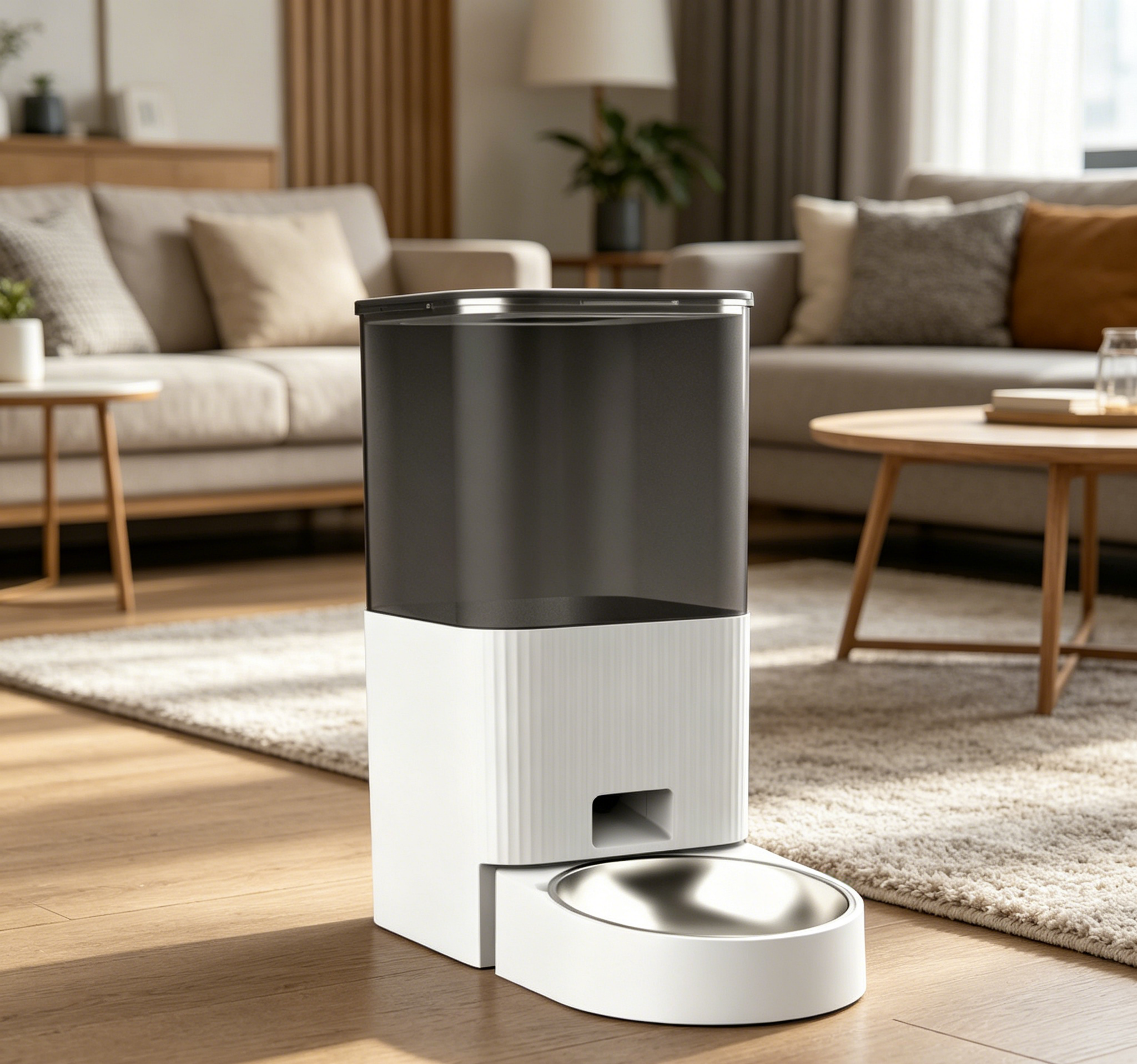
Choosing the right feeding system is very important for pet owners, pet stores, and pet product suppliers. Today, many people compare wet food feeder vs dry food feeder because both have clear benefits. However, they work in different ways and fit different needs.
In this article, we will explain the key differences between a wet food feeder and a dry food feeder, so you can make a better choice. In addition, we will share real solutions from Winpoint Pet Products to show how modern feeder systems improve pet care.
Wet Food Feeder vs Dry Food Feeder: What They Are
A wet food feeder is designed to store and serve moist pet food. This type of food usually includes canned food, fresh meat, or soft meals. Because wet food spoils faster, the feeder often includes cooling or short-time storage features.
On the other hand, a dry food feeder is made for kibble or dry pellets. It focuses on portion control and long-term storage. Therefore, it is more common in daily home feeding and automatic pet feeders.
In simple words, wet food feeders focus on freshness, while dry food feeders focus on convenience and storage.
Wet Food Feeder vs Dry Food Feeder: Storage and Freshness Control
One of the biggest differences is how each feeder handles food freshness.
First, wet food feeders must keep food fresh for a short time. Therefore, many models use insulation or cooling systems. This helps prevent spoilage and keeps food safe for pets.
In contrast, dry food feeders do not need cooling. Instead, they use sealed containers to keep food dry and fresh for a long time.
Moreover, dry food is less sensitive to temperature changes. As a result, dry food feeders are easier to manage in daily use.
Wet Food Feeder vs Dry Food Feeder: Feeding Method and Automation
Wet food feeders usually require more precise timing. Because wet food spoils quickly, feeding cycles must be short and controlled.
However, dry food feeders are more flexible. They can release food in small portions throughout the day. This makes them ideal for automatic feeding systems.
For example, smart pet feeders from Winpoint Pet Products often focus on dry food automation. These products allow scheduled feeding, remote control, and portion adjustment, which helps pet owners manage feeding even when they are not at home.
Wet Food Feeder vs Dry Food Feeder: Maintenance and Cleaning
Maintenance is another key difference.
Wet food feeders need more frequent cleaning. Since wet food can leave residue, bacteria may grow quickly if the feeder is not cleaned properly. Therefore, daily washing is often required.
In comparison, dry food feeders are easier to maintain. Because dry food leaves less residue, cleaning can be done less often. However, regular inspection is still important to prevent clogging or dust build-up.
In addition, modern feeder designs from Winpoint Pet Products focus on easy-disassembly structures. This makes cleaning faster and more convenient for users.
Wet Food Feeder vs Dry Food Feeder: Suitability for Pets
Different pets have different dietary needs, so the choice of feeder matters.
Wet food feeders are often used for pets that need more moisture in their diet. For example, cats or older pets may benefit from wet food because it is easier to digest and more hydrating.
Meanwhile, dry food feeders are more suitable for everyday feeding routines. They are widely used for both cats and dogs because dry food is easy to store and measure.
Furthermore, many pet owners use a combination of both. As a result, pets get balanced nutrition and better eating habits.
Wet Food Feeder vs Dry Food Feeder: Cost and Durability
Cost is also an important factor when choosing between the two.
Wet food feeders are often more complex. Because of cooling systems or sealed compartments, they may cost more and require more care.
In contrast, dry food feeders are usually more affordable and durable. They have fewer mechanical parts, which means lower maintenance costs over time.
In many cases, suppliers like Winpoint Pet Products offer both types of feeding solutions. This allows distributors and pet brands to choose products based on different market needs.
Wet Food Feeder vs Dry Food Feeder: Real Case Solutions from Winpoint
To better understand real applications, let’s look at some industry solutions.
For example, a pet store chain working with Winpoint Pet Products needed a smart feeding system for their premium pet section. They required both wet and dry feeding options.
As a solution, Winpoint provided a combined feeding system strategy:
- Wet food feeder units were used for fresh meal displays in-store
- Dry food feeder systems were used for home-use smart feeders sold to customers
As a result, the store improved customer experience and increased product sales. At the same time, pet owners enjoyed more flexible feeding choices at home.
Moreover, Winpoint’s engineering team improved sealing performance and portion control accuracy. Therefore, both wet and dry systems became more stable and user-friendly.
Wet Food Feeder vs Dry Food Feeder: Which One Should You Choose?
In conclusion, the choice depends on your needs.
If freshness and hydration are your priority, then a wet food feeder is the better option. However, if convenience, storage, and automation matter more, then a dry food feeder is the smarter choice.
In many cases, combining both is the best solution. Because of this, pets can enjoy both nutrition quality and feeding convenience.
With continuous innovation from companies like Winpoint Pet Products, modern pet feeding systems are becoming smarter, safer, and easier to use.


