What Makes a Competitive Smart Litter Box and Feeder in Today’s Global Pet Market?
News Details
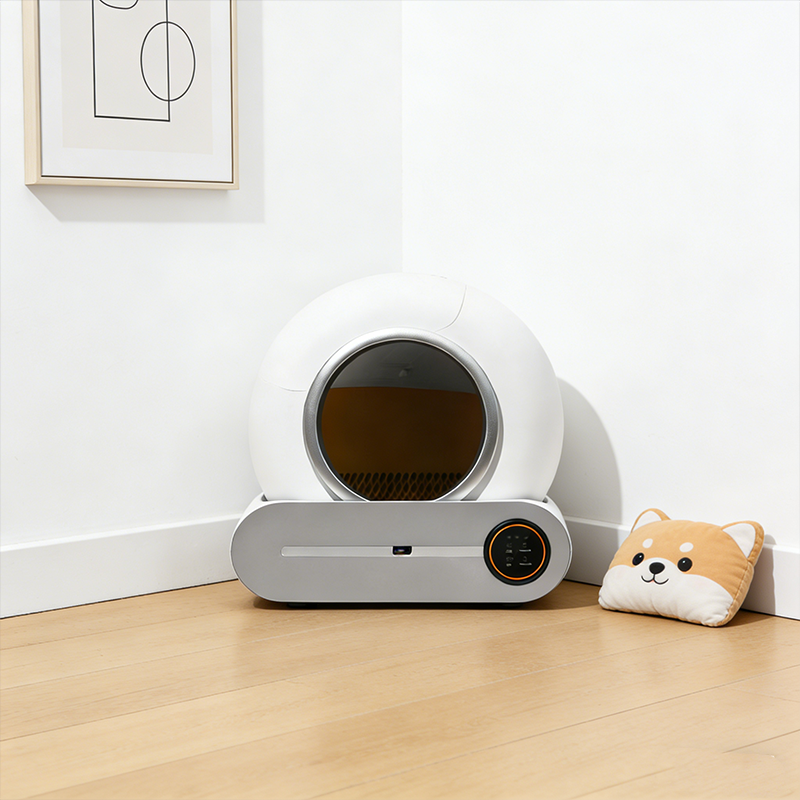
As smart pet technology becomes mainstream, competition in the global market is intensifying. Smart litter boxes and automatic feeders are no longer novelty items—they are strategic product categories. For brands, distributors, and manufacturers, understanding what truly makes a product competitive is essential for long-term success.
1. Reliability Over Gimmicks
Consumers are no longer impressed by flashy features alone. Stability, safety, and consistent performance matter most.
For smart litter boxes, this means:
-
Accurate detection systems
-
Safe, enclosed cleaning mechanisms
-
Reliable odor control
-
Durable waste storage design
For automatic feeders, competitiveness depends on:
-
Precise portion control
-
Anti-jam dispensing systems
-
Stable connectivity
-
Backup power protection
A competitive product performs flawlessly under real-life conditions, not just in marketing materials.
2. Smart Connectivity That Actually Works
App control, WiFi compatibility, and remote monitoring are now expected. However, connectivity must be stable and user-friendly.
Dual-band WiFi support, intuitive mobile apps, and simple pairing processes reduce customer frustration. In global markets, compatibility with different network environments and voltage standards also increases product adaptability.
Technology should simplify pet care—not complicate it.
3. Hygiene and Safety Standards
Hygiene is one of the strongest purchasing drivers, especially in urban and apartment-based markets.
Competitive smart litter boxes offer sealed waste compartments, effective odor isolation, and easy-to-clean components. Automatic feeders should include food-grade materials, moisture-resistant storage, and secure locking systems to maintain freshness.
Meeting international safety certifications further strengthens trust in cross-border markets.
4. Scalable Manufacturing and Cost Efficiency
In a global market, pricing strategy is just as important as innovation. Manufacturers must balance advanced technology with cost-effective production.
Scalable supply chains, stable component sourcing, and quality control systems ensure consistent output and competitive pricing. Brands and distributors seek partners who can support bulk orders without sacrificing reliability.
5. Market-Driven Feature Design
Different regions prioritize different features:
-
North America often values app integration and smart home compatibility.
-
Europe emphasizes safety standards and eco-conscious materials.
-
Emerging markets prioritize affordability with essential automation features.
A competitive product line adapts to these variations rather than offering a one-size-fits-all model.
6. Clear Brand Positioning
In today’s crowded marketplace, simply offering a smart litter box or feeder is not enough. Competitive brands clearly communicate their advantages—whether that’s advanced automation, precision nutrition control, odor management, or reliability during power outages.
Strong product positioning builds trust with both retailers and end consumers.
Competing in a Mature Smart Pet Era
The global pet market is evolving rapidly. Smart litter boxes and automatic feeders are becoming standard components of modern pet care.
The most competitive products combine:
-
Technical reliability
-
Practical innovation
-
Hygienic design
-
Scalable manufacturing
-
Market-specific adaptability
In today’s global pet market, success doesn’t belong to the most complex device—it belongs to the most dependable one.


