Why Won’t My Cat Use an Automatic Feeder? Tips to Help Pets Adjust
News Details
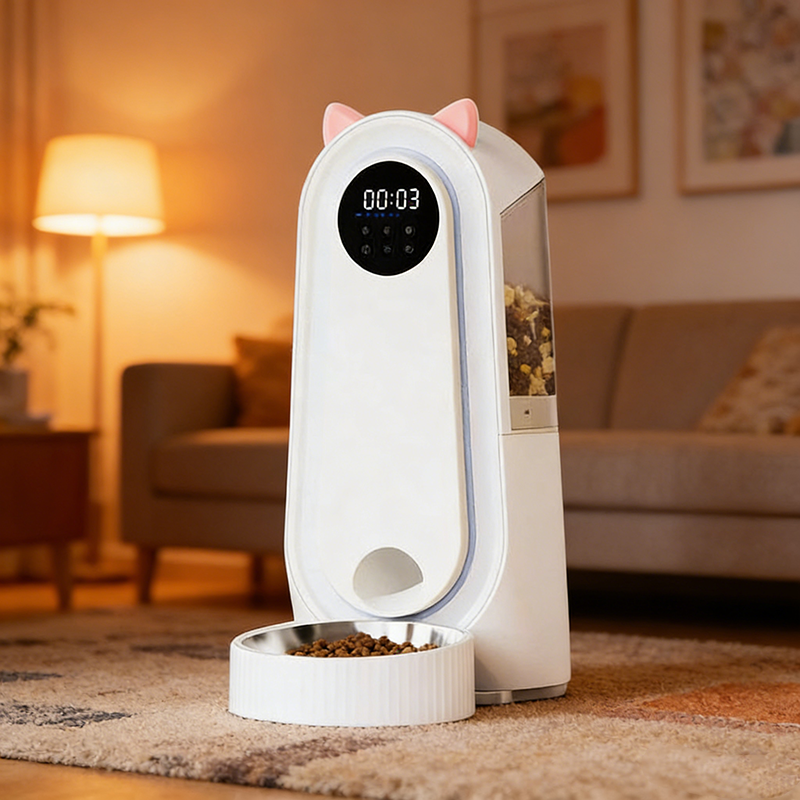
Automatic feeders are designed to make pet care easier, offering scheduled meals, portion control, and convenience for busy owners. However, not every cat accepts a new feeder right away. If your cat is ignoring or avoiding an automatic feeder, don’t worry—this is a common situation, especially during the transition period.
Cats are creatures of habit, and any change in their routine or environment can take time to accept. Understanding the reasons behind this behavior can help you guide your cat toward a smooth adjustment.
Why Some Cats Resist Automatic Feeders
Before solving the problem, it’s important to understand why your cat may be hesitant.
1. Fear of New Objects
Cats can be cautious around unfamiliar items. A new automatic feeder, especially one that makes sounds or moves, may feel intimidating at first.
2. Noise and Movement
Some feeders produce motor sounds when dispensing food. Even if the noise is minimal, it can startle sensitive cats and make them avoid the device.
3. Change in Feeding Routine
If your cat is used to being hand-fed or eating at irregular times, switching to a scheduled feeding system may feel unfamiliar.
4. Different Feeding Experience
The shape, height, or location of the feeding tray may differ from your cat’s previous bowl, making it less comfortable initially.
Tips to Help Your Cat Adjust to an Automatic Feeder
Helping your cat accept a new feeder usually requires patience and gradual introduction. Here are some effective strategies:
1. Start with Familiar Food and Smells
Use your cat’s regular food and place a small amount in the feeder tray without activating it. This helps your cat associate the new device with something familiar and safe.
You can also rub a small amount of food on the edge of the tray to encourage curiosity.
2. Introduce the Feeder Gradually
Instead of switching immediately, allow your cat to get used to the feeder over time.
-
Place the automatic feeder next to the old feeding bowl
-
Let your cat explore it freely
-
Keep using the regular bowl for a few days
Once your cat becomes comfortable, you can begin transitioning to the feeder.
3. Use Manual Feeding First
Many automatic feeders allow manual feeding with a button. Use this feature to dispense food while your cat is nearby so they can see that the device provides food.
This helps build trust and reduces fear of the feeder.
4. Reduce Noise Sensitivity
If the feeder makes a noticeable sound, try to:
-
Activate it while your cat is at a distance at first
-
Let your cat hear the sound without pressure
-
Gradually move the feeder closer to the feeding area
Over time, your cat will learn that the sound is associated with food, not danger.
5. Adjust Placement and Environment
Make sure the feeder is placed in a quiet, comfortable area where your cat feels safe. Avoid high-traffic or noisy locations, as these can discourage your cat from approaching the feeder.
A calm environment helps build confidence during feeding time.
6. Create a Consistent Feeding Schedule
Cats thrive on routine. Program the feeder to dispense food at the same times every day. Consistency helps your cat understand when to expect meals and encourages them to return to the feeder regularly.
7. Be Patient and Avoid Forcing
Some cats adjust within a day or two, while others may take a week or longer. Avoid forcing your cat to use the feeder, as this can create negative associations.
Instead, allow your cat to adapt at their own pace.
When to Be Concerned
If your cat refuses to eat for an extended period, it’s important to take action. Cats should not go without food for too long, as it can affect their health.
In such cases:
-
Temporarily return to the regular feeding method
-
Reintroduce the automatic feeder more gradually
-
Monitor your cat’s eating habits closely
A Smooth Transition Takes Time
Automatic feeders are incredibly useful once your cat becomes comfortable using them. They provide reliable feeding schedules, portion control, and peace of mind for pet owners.
Most cats will eventually adapt with the right approach. By introducing the feeder gradually, maintaining a familiar routine, and creating a positive experience, you can help your cat transition successfully.
Making Smart Feeding Work for You and Your Cat
Every cat is different, and adjustment times may vary. The key is to stay patient and consistent. Once your cat accepts the automatic feeder, it can become a seamless part of daily life—making feeding easier, more predictable, and stress-free for both you and your pet.


