Self Cleaning Litter Box vs Regular Litter Box: Which is the Best?
News Details
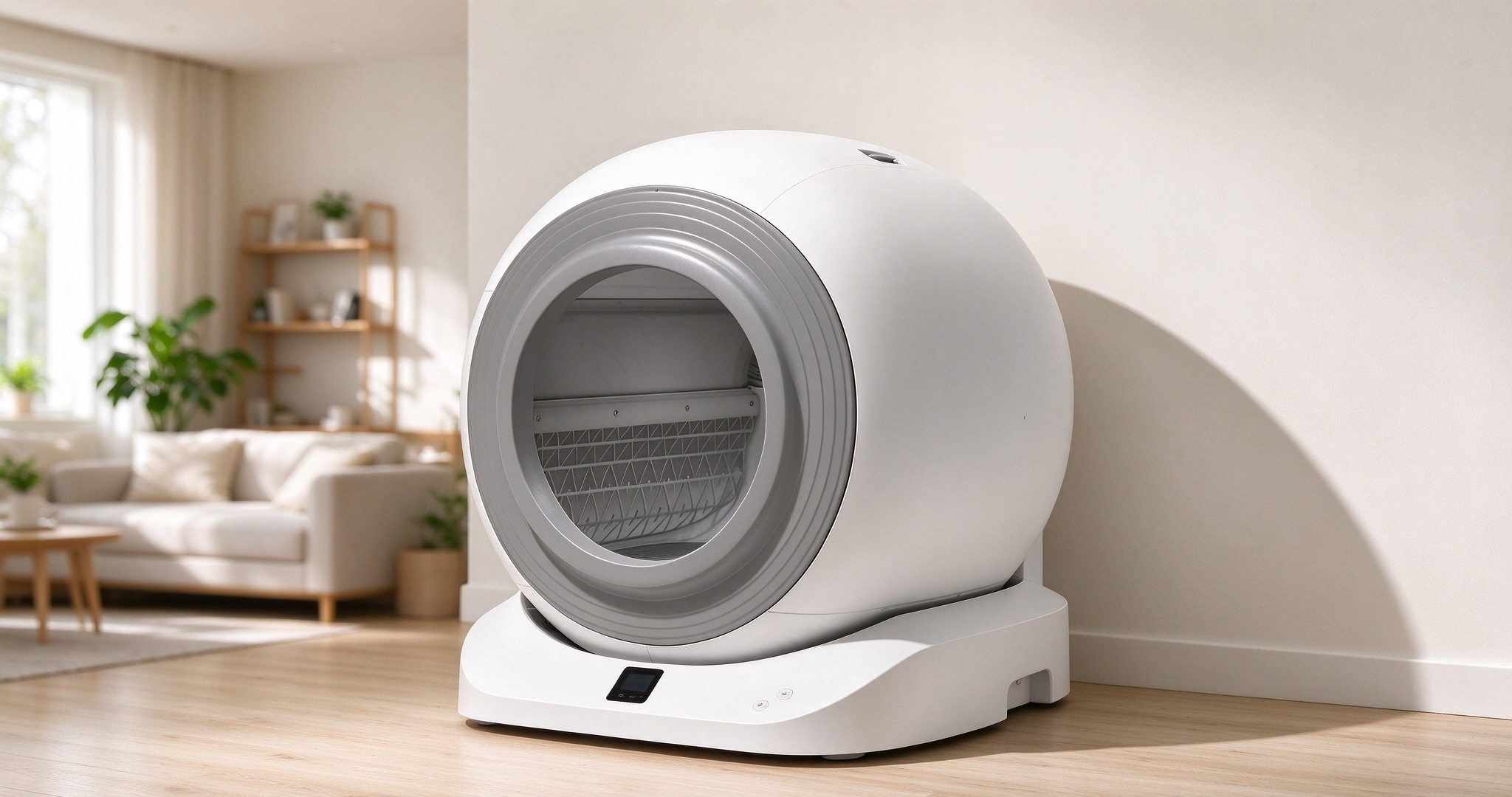
Choosing the right litter box is an important part of cat care. A clean litter area keeps cats comfortable and helps maintain a fresh home. However, traditional litter boxes require daily scooping, while modern self cleaning litter boxes can handle much of this work automatically.
So, which option is better? A traditional litter box is simple and affordable. On the other hand, a self cleaning litter box offers more convenience, less daily work, and smarter waste management.
In this article, we compare both options to help pet owners, retailers, and pet product distributors understand their main differences.
1. What Is a Traditional Litter Box?
A traditional litter box is a simple container filled with cat litter. Cats use it naturally, and owners remove waste with a scoop.
Most traditional litter boxes are made from plastic. They come in different sizes and styles, including open trays, covered boxes, and high-sided designs.
Main advantages:
-
Low purchase cost.
-
Simple structure and easy operation.
-
No electricity or WiFi needed.
-
Easy to find and replace.
-
Suitable for almost all types of cats.
However, traditional litter boxes need regular manual cleaning. Owners usually need to scoop waste at least once or twice a day. If cleaning is delayed, unpleasant smells can build up, and the litter area may become uncomfortable for cats.
2. What Is a Self Cleaning Litter Box?
A self cleaning litter box is an automatic device that removes cat waste after use. Instead of scooping every time, owners let the machine handle the cleaning process.
Most automatic litter boxes use rotating drums, raking systems, or other waste separation designs. Sensors detect when a cat enters and leaves. After a safety delay, the cleaning cycle starts and moves waste into a separate collection container.
Modern smart litter boxes may also include:
-
Automatic waste separation.
-
Infrared and weight sensors.
-
WiFi and mobile app control.
-
Waste bin full notifications.
-
Odor control systems.
-
Removable and washable parts.
As a result, pet owners spend less time on daily litter maintenance.
3. Self Cleaning Litter Box vs Traditional Litter Box: Key Differences
Both types provide a place for cats to do their business. However, they offer very different experiences.
| Comparison | Traditional Litter Box | Self Cleaning Litter Box |
|---|---|---|
| Cleaning | Manual scooping | Automatic cleaning |
| Odor control | Depends on litter and cleaning frequency | May include sealed waste storage and odor control |
| Daily maintenance | Frequent | Less frequent |
| Initial cost | Lower | Higher |
| Technology | Basic | Sensors and smart functions |
| Power supply | Not required | Usually required |
| Waste disposal | Manual | Automatic collection |
| User experience | Simple | More convenient |
The biggest difference is daily maintenance. Traditional boxes require owners to remove waste regularly. In contrast, automatic models reduce the need for frequent scooping.
However, neither option is completely maintenance-free. Owners still need to replace litter, empty waste containers, and clean the unit regularly.
4. Cleaning Efficiency and Daily Maintenance
Cleaning is one of the most important factors when choosing a litter box.
With a traditional litter box, owners must check the litter area and remove waste by hand. For households with multiple cats, this task can take even more time.
A self cleaning litter box makes this process easier. Its automatic system separates waste from clean litter after the cat leaves. The waste then moves into a dedicated collection bin.
For example, WINPOINT's smart self-cleaning cat litter box uses sensor technology and automatic waste management to simplify daily cleaning.
Its product design includes an 8L waste bin and a 65L drum compartment. These features help reduce the frequency of manual waste handling.
However, actual cleaning frequency depends on the number of cats, their habits, and the amount of litter used.
5. Odor Control: Which One Keeps Your Home Fresher?
Odor is another major concern for cat owners.
Traditional litter boxes can develop unpleasant smells when waste remains in the tray. Regular scooping and high-quality odor-control litter can help, but owners must keep up with cleaning.
By comparison, many self cleaning litter boxes separate waste from clean litter and store it in a dedicated compartment.
Some models also include additional odor-control features.
For example, selected WINPOINT smart litter box models use odor-eliminating gel to help reduce unpleasant smells. Their enclosed waste collection design also helps keep used litter away from the main litter area.
Still, proper maintenance remains important. Owners should empty the waste bin regularly and clean the litter box according to the product instructions.
6. Cost Comparison: Is an Automatic Litter Box Worth It?
A traditional litter box is usually the more affordable choice. It has a simple design, requires no electricity, and has relatively low replacement costs.
A self cleaning litter box requires a higher initial investment. It may also involve additional costs for replacement waste bags, filters, deodorizing products, or other accessories.
However, price is not the only factor to consider.
For busy professionals, multi-cat households, and people who travel frequently, saving time on daily cleaning can make an automatic litter box a worthwhile investment.
For retailers and distributors, automatic litter boxes also offer opportunities in the growing smart pet product market. Their combination of automation, connectivity, and practical design gives brands more product features to highlight.
7. Which Type of Litter Box Is Better for Different Households?
The best choice depends on the owner's lifestyle, budget, and cat's habits.
A traditional litter box may be better for:
-
First-time cat owners with a limited budget.
-
People who prefer simple pet products.
-
Cats that are not comfortable with automated devices.
-
Households without convenient access to electricity.
A self cleaning litter box may be better for:
-
Busy professionals with limited free time.
-
Multi-cat households that need more frequent waste management.
-
Owners who want to reduce daily scooping.
-
Smart home users who prefer app-based control.
-
People looking for a more convenient cleaning routine.
Before switching, introduce the automatic litter box gradually. Some cats need time to become familiar with its shape, movement, and sound. Always check the manufacturer's weight and safety requirements before use.
8. WINPOINTSmart Self Cleaning Litter Box: A Practical Solution
As demand for smart pet care products continues to grow, product features and reliability have become important considerations for both pet owners and business buyers.
WINPOINT develops smart pet products, including automatic cat litter boxes designed to make daily pet care easier.
Its smart self cleaning litter box combines practical design with automatic functions.
Key product features include:
-
65L Drum Capacity: Provides a spacious litter area for suitable indoor cats.
-
8L Waste Bin: Collects separated waste and reduces frequent manual handling.
-
Smart Sensors: Infrared and weight sensors support cat detection and cleaning safety.
-
WiFi App Control: Allows users to access smart functions through a mobile app.
-
Odor Management: Built-in odor-eliminating gel helps reduce unpleasant smells on selected models.
-
Quiet Operation: No-load operating noise is below 50dB.
-
Leak-Proof Design: Reinforced double-layer edges help prevent litter and liquid leakage.
The product is designed for cats weighing approximately 1.5–8kg. Actual suitability should be checked against the product instructions.
For overseas brands, wholesalers, and distributors, WINPOINT also provides OEM and ODM solutions for smart pet products. These services help business partners develop product offerings that match their target markets.
Explore the WINPOINT Smart Cat Litter Box collectionto learn more about available models and manufacturing solutions.
9. Final Thoughts: Self Cleaning Litter Box or Traditional Litter Box?
Both traditional and self cleaning litter boxes have their own advantages.
A traditional litter box is affordable, simple, and easy to use. However, it requires frequent manual cleaning. A self cleaning litter box costs more initially, but it can reduce daily work and provide additional features such as automatic waste separation, odor management, and smart control.
For pet owners who value convenience, an automatic litter box can be a practical upgrade. For retailers and distributors, it can also be an attractive addition to a modern pet product range.
Ultimately, the best choice is the one that meets the cat's needs while making everyday pet care easier.


