How many times a day should you feed your cat when using an automatic feeder?
News Details
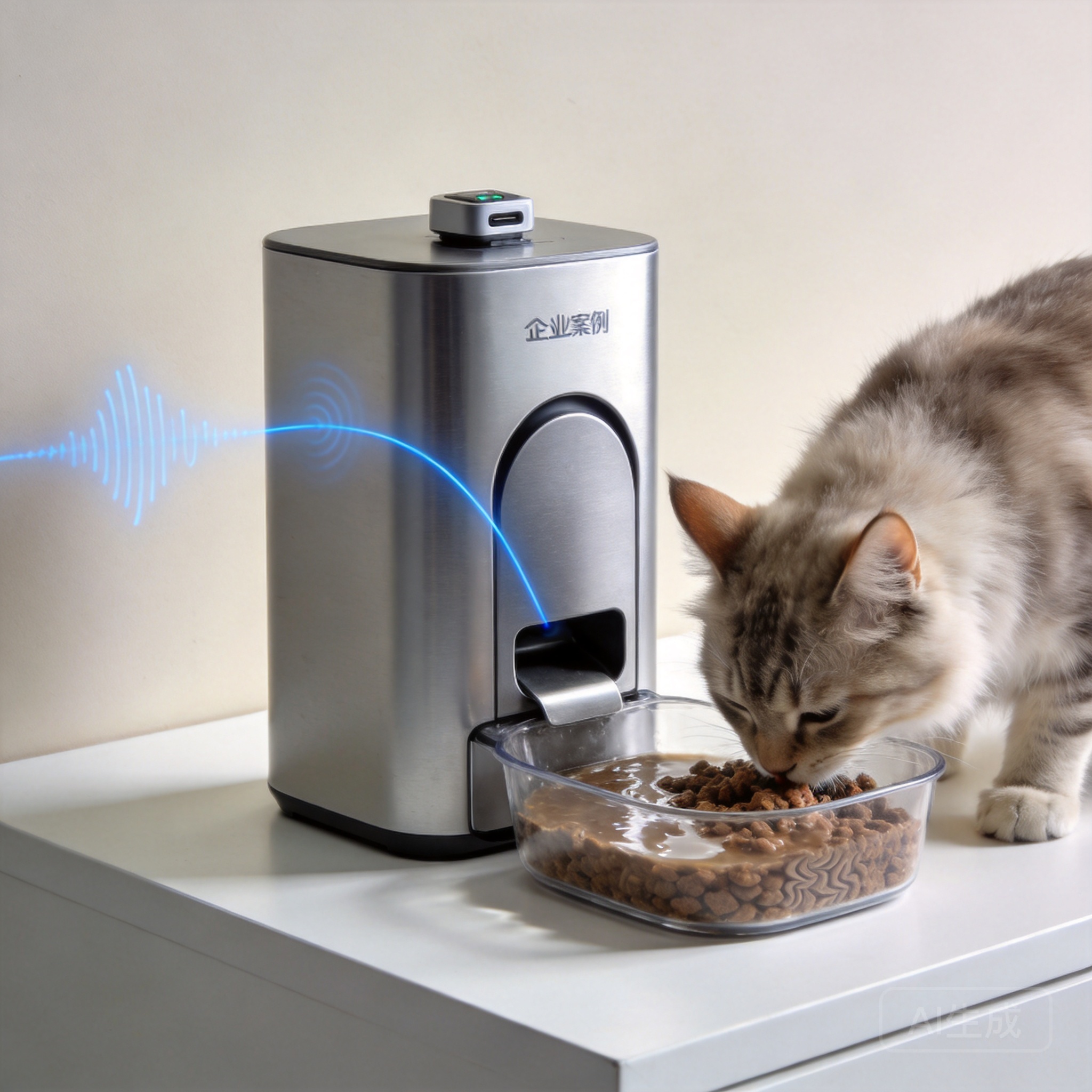
Cats need regular meals to stay healthy and maintain a healthy weight. But how often should you feed your cat? The answer depends on its age, weight, and activity level.
An automatic pet feeder makes daily feeding easier. It gives cats food at set times and helps control portion sizes. With a suitable feeding schedule, owners can manage daily meals even when they are away.
1. How Many Meals Should a Cat Have a Day?
Most healthy adult cats do well with two meals a day. Some cats may need three or four smaller meals. The right schedule depends on their daily food needs and eating habits.
-
Two meals a day: A common choice for healthy adult cats. Feed once in the morning and once in the evening.
-
Three to four meals a day: Smaller meals may suit cats that prefer eating more often.
-
Regular meal times: Keep feeding times consistent to help cats build a stable routine.
An automatic feeding system can divide the daily food amount into several smaller meals. This helps owners manage feeding times without preparing every meal by hand.
2. How Often Should You Feed Cats at Different Ages?
A cat's feeding needs change as it grows. You should adjust meal times based on its age and health.
Kittens
Kittens grow quickly and need more frequent meals. They often need three to four meals a day, depending on their age and growth stage.
A programmable pet feeder can help owners set smaller meals throughout the day.
Adult Cats
Most healthy adult cats can eat two meals a day. Some may do better with three or four smaller portions. Follow the daily food guide for your cat.
Senior Cats
Older cats may have different eating habits and food needs. Some prefer smaller meals throughout the day.
If an older cat has health problems or eats less than usual, ask a vet about its feeding plan.
3. How to Set an Automatic Pet Feeder?
Setting up an automatic pet feeder is simple. Follow these steps to create a suitable feeding routine:
-
Check the daily food amount: Read the food label. Consider your cat's weight, age, and activity level.
-
Divide food into meals: Split the daily amount into two, three, or four meals.
-
Set feeding times: Use the timer to plan regular meals, such as morning, afternoon, and evening.
-
Test portion sizes: Check how much food the feeder releases. Change the settings if needed.
-
Watch your cat: Check its weight, appetite, and eating habits. Adjust the schedule when necessary.
Most standard automatic pet feeders work with dry pet food. If you want to use wet food, check whether the feeder supports it. Some models use ice packs to help keep wet food fresh for a limited time.
4. How Does an Automatic Feeder Keep Food Fresh?
Food storage is another important point for cat owners. A suitable food storage container helps protect dry foods from moisture, dust, and outside air.
When choosing an automatic feeder, consider these features:
-
Sealed food container: Helps keep dry pet food fresh and reduces exposure to moisture.
-
Suitable storage capacity: Allows owners to store enough food for daily feeding.
-
Easy cleaning: Removable food containers and trays make regular cleaning easier.
-
Reliable food dispensing: Helps prevent food from getting stuck during feeding.
For long term use, owners should clean the feeder regularly and store food according to the instructions on its packaging.
5. What Should Buyers Look for in an Automatic Pet Feeder?
For pet product distributors and pet product brands, choosing the right product involves more than checking its appearance. Product design, functions, and long-term use all matter.
-
Flexible feeding settings: A programmable pet feeder should support different feeding times and portion sizes.
-
Stable dispensing structure: The feeding mechanism should release dry food smoothly.
-
Suitable storage capacity: The food container should meet the needs of different households.
-
Easy operation: Simple controls improve the user experience.
-
Power supply options: Buyers should check battery backup and how the feeder works during a power outage.
These details can help buyers compare automatic pet feeders and select products for their target markets.
6. What Does a Pet Feeder Manufacturer Need to Consider?
For a pet feeder manufacturer, successful product development starts with understanding market needs and customer feedback.
-
Product idea: Identify common customer needs, such as timed feeding, portion control, and food storage.
-
Product design: Plan the feeder structure, container capacity, control panel, and dispensing mechanism.
-
Product development process: Test feeding accuracy, material safety, durability, and ease of cleaning.
-
Product management: Improve product functions based on testing results and market feedback.
A clear product roadmap helps development teams manage product development strategy and improve product performance over time.
For overseas buyers, working with a manufacturer that understands product development and quality testing can make product selection and OEM cooperation easier.
Conclusion
Most healthy adult cats do well with two meals a day, while kittens and some older cats may need smaller, more frequent meals. The right feeding schedule depends on each cat's age, health, and daily food needs.
Automatic pet feeders help owners manage feeding times and portion sizes. For buyers, choosing a feeder with reliable food dispensing, suitable storage capacity, and flexible settings can meet different market needs.
FAQs
Q1: Can I feed my cat four times a day with an automatic feeder?
Yes. Many automatic feeders support multiple meals per day. Divide the daily food amount into four portions and set the feeding times.
Q2: Can an automatic pet feeder keep dry food fresh?
A sealed food storage container can help protect dry food from moisture and dust. Owners should also clean the container regularly and follow the food storage instructions.
Q3: Do automatic pet feeders work during a power outage?
It depends on the model. Some feeders support battery backup, while others need a direct power supply. Buyers should check this feature before purchasing.
Q4: Can automatic pet feeders dispense wet food?
Most standard models are designed for dry food. Some special models support wet food and use ice packs to help keep it fresh for a limited time.


