How Does an Automatic Pet Feeder Work?
News Details
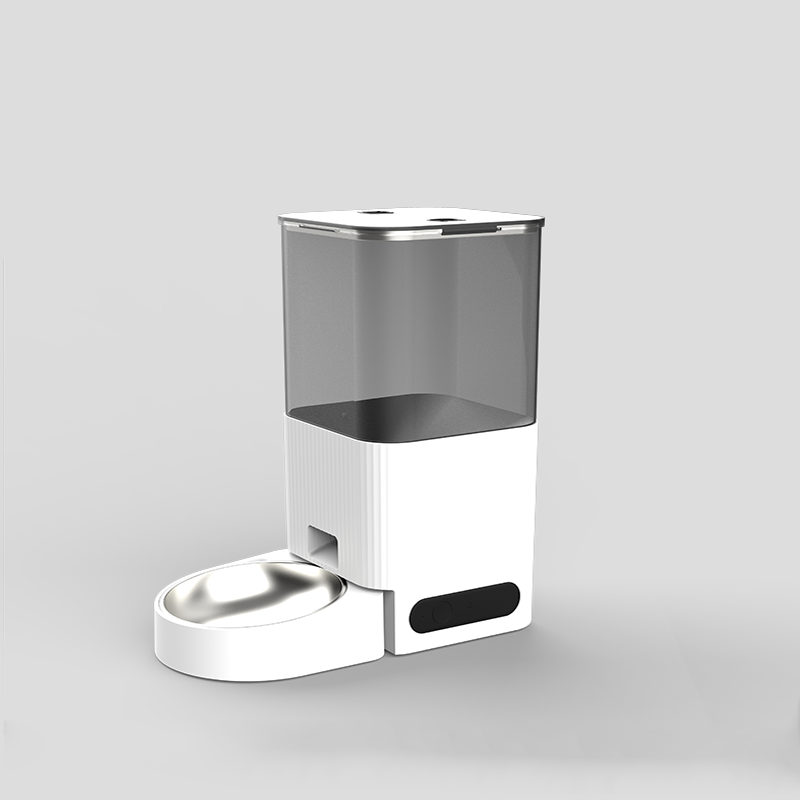
How does an automatic pet feeder work?
An automatic pet feeder allows pet owners to dispense food at scheduled times without manually feeding their pets. It uses a control system and food dispensing mechanism to release a predetermined amount of food according to a set schedule.
For pet product distributors, wholesalers, and retailers, understanding how an automatic pet feeder works is essential when selecting products for the market. Its core functions, feeding accuracy, and internal structure can affect product performance and customer satisfaction.
1. What is an automatic pet feeder?
An automatic pet feeder is a device that stores pet food and releases it at preset times. It is commonly used for cats and dogs, especially when owners have busy schedules or need to manage regular feeding times.
Most automatic feeders include a food container, control panel, motor, dispensing mechanism, and feeding tray. Some models also support Wi-Fi connectivity and mobile app control.
These features allow users to manage feeding times and portion sizes with less manual effort.
2. What are the main components of an automatic pet feeder?
The automatic pet feeder mechanism relies on several key components. Each part plays a role in storing, controlling, or dispensing food.
-
Food Storage Container: Holds dry pet food before feeding. Its capacity determines how much food the feeder can store.
Control Panel: Allows users to set feeding times and portion sizes. Some models use physical buttons, while others support mobile app settings.
Dispensing Motor: Drives the feeding mechanism and controls food release.
Food Dispensing Mechanism: Moves food from the storage container to the feeding outlet. Its design affects portion consistency.
Feeding Tray: Collects food after dispensing and provides easy access for pets.
Power Supply: Provides energy for daily operation. Some models also include a backup battery option.
The design and quality of these components can affect product reliability and service life.
3. How does an automatic feeding system work?
An automatic feeding system follows a simple process. It uses preset instructions to control when and how much food is dispensed.
Step 1: Set the Feeding Schedule
Users input feeding times through the control panel or mobile app. For example, they can set three meals per day.
Step 2: Set the Food Portion
Users select the amount of food for each meal. The control system saves these settings and prepares the feeder for the next feeding time.
Step 3: Activate the Motor
When the scheduled time arrives, the control system sends a signal to the motor. The motor then drives the dispensing mechanism.
Step 4: Dispense the Food
The mechanism moves a measured amount of food from the storage container to the feeding tray. The pet can then eat the food.
Step 5: Repeat the Process
The feeder repeats the same process according to the saved schedule. Users do not need to manually release food at every meal.
4. How does a programmable pet feeder control food portions?
A programmable pet feeder allows users to adjust feeding times and food portions based on their pets' needs.
The portion control function usually operates through the motor and dispensing mechanism. When the motor runs for a set cycle, the mechanism releases a specific amount of food.
However, actual portion accuracy may vary depending on:
-
Food Size and Shape: Different kibble sizes may affect how food moves through the dispensing system.
-
Motor Performance: Stable motor operation helps maintain consistent food release.
-
Mechanism Design: The structure of the dispensing unit affects how much food is released during each cycle.
-
Food Storage Conditions: Moisture or food blockage may affect normal dispensing.
For manufacturers, testing different kibble sizes and feeding portions is important during product development.
5. What should buyers consider when choosing an automatic pet feeder?
For overseas distributors and wholesalers, product selection should focus on more than appearance and price.
-
Feeding Accuracy: Check whether the feeder can release consistent portions under different operating conditions.
-
Storage Capacity: Choose a suitable container size for different pet types and feeding needs.
-
Material Safety: Check the materials used in food-contact parts and request relevant test documents.
-
Power Options: Consider whether the product supports battery backup or different power supply options.
-
Smart Functions: Wi-Fi and app control may help meet demand in the smart pet product market.
-
OEM and Customization: Check whether the manufacturer supports custom colors, logos, packaging, and product specifications.
Working with an experienced automatic pet feeder manufacturer can help buyers evaluate product structures, technical features, and customization options before placing bulk orders.
Conclusion
An automatic pet feeder works by combining a control system, motor, and food dispensing mechanism. It stores pet food, follows a preset schedule, and releases portions at the right time.
For wholesalers, distributors, and pet product brands, understanding these working principles aids in product evaluation and supplier selection. When sourcing products, buyers should pay attention to feeding accuracy, component design, material safety, and customization options.
Choosing a suitable manufacturer can also support long-term product supply and market development.
FAQ
Q1: How does a timed pet feeder work?
A timed pet feeder uses a built-in timer or control system to release food at preset times. Users set the feeding schedule, and the feeder activates its dispensing mechanism when the scheduled time arrives.
Q2: How does an automatic feeder dispense food?
An automatic feeder uses a motor-driven mechanism to move food from the storage container to the feeding tray. The amount released depends on the mechanism design and programmed settings.
Q3: How accurate are automatic pet feeders?
Accuracy depends on the motor, dispensing structure, kibble size, and product design. Buyers should review portion consistency test results under different feeding conditions.


