How to Customize Automatic Pet Feeders for Your Brand
Discover how Winpoint Products delivers OEM/ODM services for automatic pet feeders, including smart technology, branded packaging, quality inspections, and end-to-end manufacturing support.
2026/10/12
Reading volume: 4
News Details
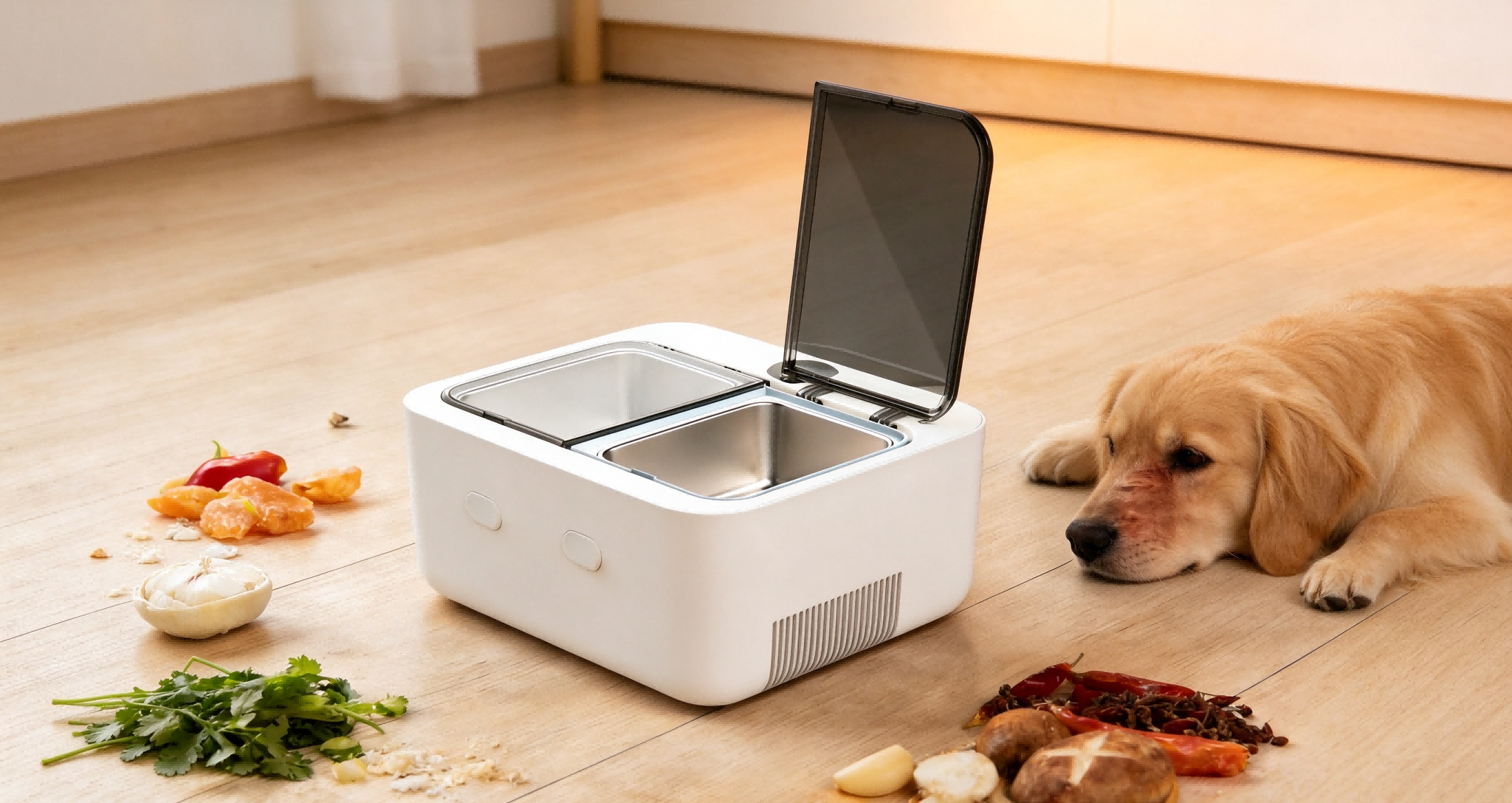
Automatic pet feeders are becoming an important product for pet brands, retailers, wholesalers, and distributors. They help pet owners manage feeding times and portions. At the same time, they give businesses new ways to build a smart pet care product line.
However, selling a standard feeder may not be enough to make your brand stand out. Customers may find similar products from many sellers. Therefore, customizing automatic pet feeders can help you create a product that fits your brand, target market, and business goals.
With the right OEM or ODM manufacturer, you can start with an existing product platform and adjust its design, features, and packaging. This guide explains how to customize automatic pet feeders, what to consider before placing an order, and how Winpoint Products can support your project.
1. Define Your Target Market Before Customizing
Before choosing a feeder, decide who will buy it and what they need. This step helps you avoid spending money on features that your customers may not value.
For example:
- Budget-focused retailers: Simple controls, reliable feeding, and easy cleaning.
- Premium pet brands: Smart functions, modern design, and high-quality packaging.
- Online sellers: Clear product benefits, easy setup, and attractive product presentation.
- Pet food brands: Feeders that complement their existing food products.
- Wholesalers and distributors: Stable quality, practical pricing, and reliable supply.
Next, define your target retail price and expected order volume. These details will help your manufacturer suggest suitable models and customization options.
2. Choose Between OEM and ODM
OEM and ODM are two common ways to develop branded automatic pet feeders.
OEM (Original Equipment Manufacturing) is a good choice when you want to start with an existing product and customize items such as the logo, packaging, color, or selected features.
ODM (Original Design Manufacturing) is more suitable when you need greater design support or want to change the product structure, appearance, or functions.
For example, a new pet brand may choose an existing automatic cat feeder and add its own logo and packaging. In contrast, a brand targeting premium customers may need a different housing design, display, or feeding configuration.
Winpoint Products offers OEM and ODM solutions for smart pet feeders and other smart pet care products. Starting with an existing product platform can help brands reduce development work while focusing on the changes that matter most to their customers.
3. Customize the Product Design and Appearance
Product appearance plays an important role in brand identity. However, customization should also consider ease of use, cleaning, and manufacturing cost.
Common options include:
- Product color: Match the feeder to your brand style.
- Logo placement: Add your logo to suitable areas of the product.
- Housing design: Adjust selected design details where the platform allows.
- Display and buttons: Improve the user experience for your target customers.
- Food hopper and bowl: Select a suitable structure and capacity.
- Accessories: Include items that support cleaning or daily use.
For instance, a premium brand may prefer a clean, modern look, while a family-focused brand may value a simple design that is easy to operate.
Not every change is available on every model. Therefore, ask the manufacturer which options can be customized without requiring new molds or major engineering work.
4. Select the Right Smart Feeding Features
Smart functions can make your automatic pet feeder more useful. Still, adding too many features may increase costs and make the product harder to use.
Choose functions based on your customers' needs.
App Control and Scheduled Feeding
App control lets pet owners set feeding times and manage meals from their phones. It is useful for people with busy schedules or those who travel regularly.
Portion Control
Accurate portion settings help owners manage daily feeding routines. Before choosing a model, check how portions are measured and whether the feeder suits the types and sizes of kibble your customers use.
Camera and Two-Way Audio
Some smart feeders include a camera and audio functions. These features allow owners to check on their pets and communicate with them remotely.
Backup Power
Battery backup can help keep feeding schedules running during a power outage, depending on the model and its configuration.
Easy Cleaning
Removable food hoppers and bowls make routine cleaning easier. This is especially important for products used every day.
Winpoint's WiFi smart pet feeder range includes app-controlled feeding schedules, remote feeding, a camera, a visible food hopper, backup battery support, and detachable food-contact parts. Available features vary by model, so buyers should confirm the specifications before choosing a product for customization.
5. Consider Wet Food Feeder Options
If your brand serves customers who feed wet food, consider whether a wet food feeder is a better fit than a standard dry food model.
Wet food feeders have different design needs. These may include temperature control, covered food trays, automatic lids, timed feeding, and easy-to-clean parts.
Winpoint also offers wet food feeder solutions with functions such as cooling, heating, and automatic lid operation. For a pet food company, this type of product may create opportunities to offer a feeder alongside its existing food range.
Before development, discuss food capacity, meal timing, cleaning requirements, and the intended use conditions with your manufacturer. Also, confirm the product's actual temperature performance and any stated food-storage limits through testing.
6. Create Custom Packaging and Brand Materials
Product customization does not end with the feeder itself. Packaging and printed materials also affect how customers see your brand.
A private label automatic pet feeder project may include:
- Custom retail box design
- Brand logo and product labels
- User manuals
- Quick-start guides
- Product inserts
- Barcode and shipping labels
- Warranty information
Clear instructions are especially important for smart feeders because customers may need to connect the device to WiFi, set meal times, or configure the app.
For international sales, make sure the packaging and manuals match the language and requirements of each target market. Confirm any required warnings, labels, and compliance marks before production.
7. Review Samples Before Mass Production
A product sample helps you check whether the proposed design meets your expectations.
Do not approve a product based only on photos or a specification sheet. Instead, test the physical sample under realistic conditions.
Your review should cover:
- Feeding schedule accuracy
- Portion consistency
- Motor noise
- Food flow and kibble compatibility
- Hopper and bowl removal
- Cleaning and reassembly
- App connection and controls
- Backup power, if included
- Packaging and printed materials
For camera-enabled models, also test image quality, audio, connection stability, and setup instructions.
After testing, send the manufacturer a clear list of required changes. Once the final sample is approved, confirm that mass production will follow the agreed specifications.
8. Confirm MOQ, Cost, and Production Time
Before placing an order, ask for a full quotation that separates the main costs.
These may include:
- Unit price
- Logo printing
- Custom packaging
- Mold or tooling charges, if needed
- Sample and development fees
- Testing and certification costs
- Shipping and other logistics expenses
You should also confirm the minimum order quantity (MOQ), sample lead time, production lead time, and payment terms.
If you are launching a new brand, ask whether the supplier offers a trial order or lower MOQ for selected models. This can help you test market demand before committing to a large quantity.
Keep in mind that deeper customization may require more development time and higher upfront costs. Therefore, prioritize the changes that provide the most value to your target customers.
9. Check Quality Control and Market Requirements
Automatic pet feeders combine mechanical parts, electrical components, and sometimes connected software. As a result, quality control should be part of the project from the beginning.
Ask the manufacturer about its inspection process and what it tests before shipment. Depending on the model, checks may cover feeding performance, motor operation, electrical safety, material quality, and app functions.
You should also confirm the regulatory requirements for your target market. Ask which certifications and test reports are available for the exact product model. Do not assume that one model's documents automatically cover another model or a customized version.
A written specification, approved sample, and agreed inspection plan can help reduce misunderstandings during mass production.
10. Winpoint Solution: From Existing Feeder to Your Brand
Winpoint Products supports pet brands that want to develop their own automatic feeders without building a manufacturing operation from scratch.
Its product range includes smart pet feeders with scheduled feeding, remote app control, camera functions on selected models, backup battery support, and removable food parts. Winpoint also provides OEM and ODM services for product customization, branding, and packaging.
For example, Winpoint's published OEM/ODM guidance describes a project approach in which a brand starts with a suitable feeder platform, reviews its target market and feature needs, and then works through samples, material selection, quality checks, and packaging.
The practical value is that a brand does not need to develop every component independently. Instead, it can focus its budget and time on the product features and brand details that matter most.
For more information, visit Winpoint Products.
Common Mistakes to Avoid When Customizing Automatic Pet Feeders
Before starting your project, watch out for these common problems.
Adding too many features. More functions can raise costs and make setup harder. Choose features that match your market.
Ignoring kibble compatibility.
Food size and shape can affect dispensing performance. Test the feeder with the food types your customers are likely to use.Skipping sample approval.
A sample helps identify design, feeding, or usability issues before mass production.Focusing only on unit price.
Poor quality can lead to returns, warranty claims, and damage to your brand. Leaving details unclear. Confirm specifications, packaging, quality standards, lead times, and responsibilities in writing.Start Your Custom Automatic Pet Feeder Project
Customizing an automatic pet feeder can help your brand stand out, serve a specific customer group, and build a stronger product range.
The best approach is to start with a clear market plan, choose the right OEM or ODM model, select practical features, and test samples before mass production. In addition, a reliable manufacturer should provide clear communication, quality control, and support throughout the project.
Winpoint Products offers OEM and ODM solutions for automatic pet feeders, wet food feeders, and other smart pet care products. If you are a pet brand, wholesaler, retailer, or distributor, visit www.winpointpet.com to explore product options and discuss your customization requirements.
Share to:


