Dry Food vs. Wet Food Feeders: What Should Brands Offer?
News Details
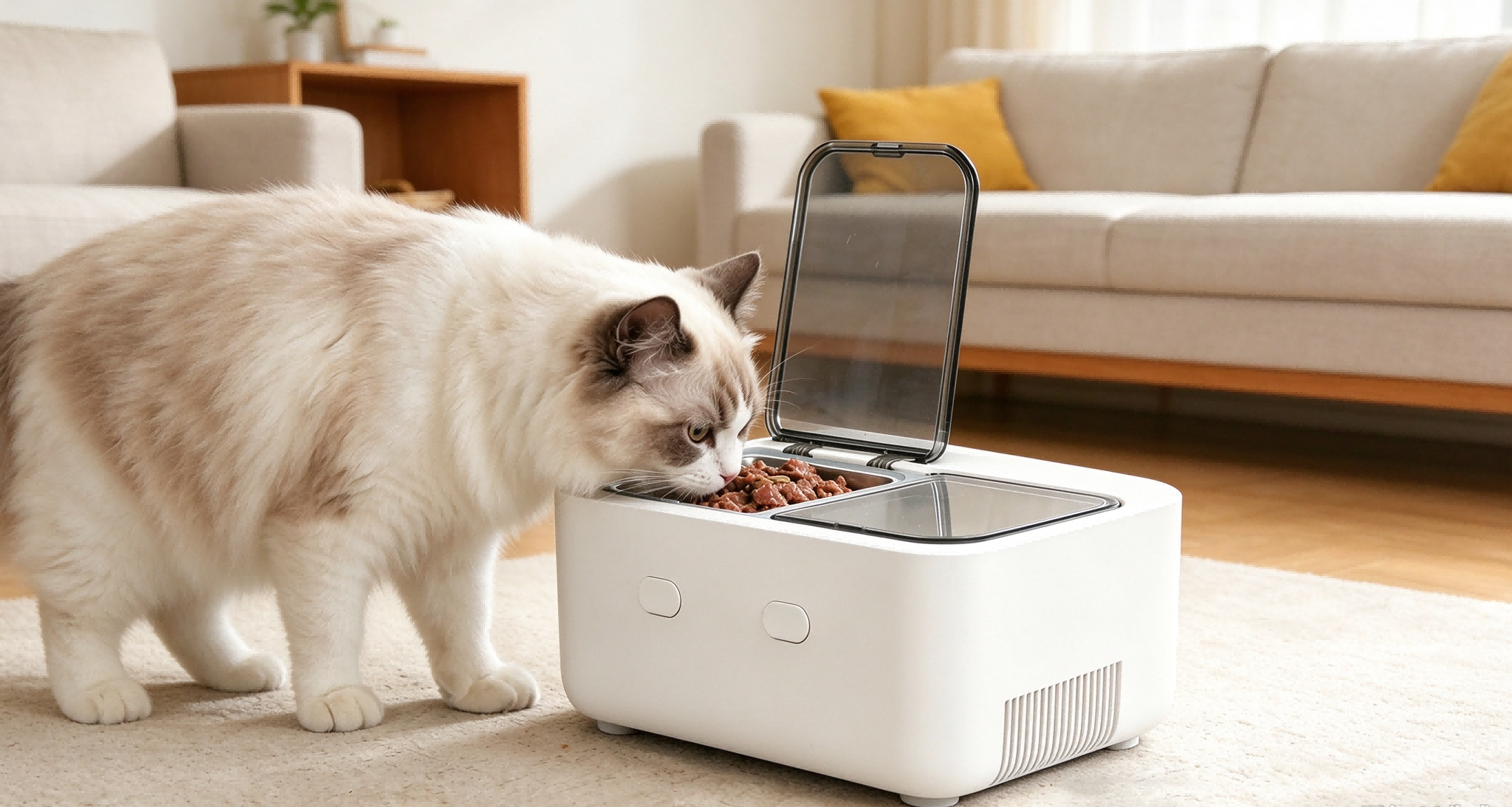
Choosing between a dry food feeder and a wet food feeder is an important decision for pet brands, retailers, wholesalers, and distributors. Both products help pet owners manage feeding times, but they serve different needs and require different product features.
Dry food feeders are a familiar choice for daily feeding. In contrast, wet food feeders offer a more specialized solution for pets that eat canned or fresh wet food.
So, which product should your brand offer? The answer depends on your target customers, product range, price position, and long-term business goals.
In this guide, we compare both options and explain how brands can build a more competitive pet feeding range with support from an experienced manufacturer such as Winpoint Products.
What Is a Dry Food Feeder?
A dry food feeder stores and dispenses kibble at set times or in selected portions. Depending on the model, it may offer basic timed feeding or smart features controlled through a mobile app.
Common features include:
- Programmable feeding schedules
- Portion control
- Large food storage capacity
- App control and remote feeding
- Backup battery support
- Detachable food hopper and bowl
- Camera monitoring on selected models
For example, Winpoint's smart pet feeders include app-based feeding schedules, one-touch remote feeding, backup battery support, and removable food parts for easier cleaning.
For brands, these products offer a practical way to enter the automatic pet feeding market without developing every feature from scratch.
What Is a Wet Food Feeder?
A wet food feeder is designed for canned, pouch, or other wet pet food. Unlike a standard dry food feeder, it must address food storage, freshness, meal timing, and cleaning.
Depending on the design, key features may include:
- Cooling to help maintain food freshness
- Heating before serving
- Programmable feeding times
- Automatic lid opening
- Covered food compartments
- Removable food trays
- Easy-to-clean surfaces
Winpoint offers a smart wet food feeder with integrated refrigeration, pre-dispense heating, and programmable automatic lid opening. The product is designed to cool wet food and warm it before the scheduled meal.
These functions give brands an option for customers who want more control over wet food feeding, especially when they cannot be home at every mealtime.
Dry Food Feeder vs Wet Food Feeder: Key Differences
The main difference is the type of food each product handles. This affects product design, customer needs, and the features that matter most.
ComparisonDry Food FeederWet Food FeederFood typeDry kibbleCanned or wet foodMain purposeScheduled kibble dispensingScheduled wet food feedingFood storageHopper or sealed containerTray or covered compartmentFreshness needsProtection from moisture and contaminationGreater attention to temperature and timeCleaningHopper, bowl, and dispensing partsFood trays, lids, and food-contact surfacesKey featuresPortion control, scheduling, app controlCooling, heating, timed openingTarget customersOwners who feed kibbleOwners who serve wet foodProduct positioningEveryday convenienceSpecialized feeding and food management
However, features vary by model. Brands should confirm actual product specifications, food capacity, and performance before selecting a product for their market.
Which Feeder Has Greater Business Potential?
There is no single winner for every brand. Instead, each feeder offers a different business opportunity.
Dry Food Feeders: A Practical Core Product
Dry food feeders are a natural starting point for brands that want to offer everyday pet care products.
They can appeal to busy professionals, multi-pet households, and customers who want to set feeding schedules in advance.
Moreover, smart models can support a higher-value product range through app control, remote feeding, camera monitoring, and backup power.
For wholesalers and distributors, dry food feeders can be a useful core product because they fit into a broad range of pet supply stores and online shops.
Wet Food Feeders: A Specialized Product Opportunity
Wet food feeders can help brands serve customers whose pets prefer or require wet food as part of their diet.
They may also be a good fit for premium pet brands, wet pet food companies, and businesses that want to expand beyond basic feeding equipment.
However, wet food feeders require more attention to temperature control, cleaning, and food storage. Therefore, brands should check the product's real performance and user instructions before making claims about freshness or storage time.
For a brand that already sells wet pet food, adding a compatible feeder can also create a new product category for existing customers.
Should Your Brand Offer Both Types?
For many pet businesses, offering both products is a sensible long-term strategy.
Instead of choosing one feeder for every customer, you can create a product range with different functions and price points.
For example, a brand could offer:
- Entry-level range: A basic automatic dry food feeder with scheduled feeding.
- Smart range: An app-controlled feeder with remote feeding and selected monitoring features.
- Premium wet food range: A wet food feeder with cooling, heating, and automatic lid functions.
This structure allows customers to choose based on their feeding habits and budget.
At the same time, it gives retailers more opportunities to cross-sell products and build a broader pet care category.
Winpoint Solution: Building a Complete Smart Feeding Range
Winpoint Products provides OEM and ODM solutions for automatic pet feeders and wet food feeders. This gives brands the option to start with an existing product platform and discuss branding, packaging, and selected product requirements.
For dry food feeding, Winpoint offers models with scheduled feeding, remote control, backup power, and detachable food parts. Selected models also include a camera.
For wet food feeding, Winpoint offers a model that combines refrigeration, pre-meal heating, and programmable automatic opening.
These products can support different customer groups under one brand. For example, a distributor could introduce a smart dry food feeder as its core product and add a wet food feeder to serve customers with different feeding preferences.
Rather than developing two products independently, the brand can discuss its product range and customization needs with Winpoint.
Explore the available products at Winpoint Products and the Wet Food Feeder range.
How to Choose the Right Feeder for Your Target Market
Before placing a bulk order, consider the following points.
1. Understand Your Customers
First, identify whether your customers mainly feed dry food, wet food, or both.
If your business already sells kibble, a dry food feeder may be the simplest product to add. However, if you serve customers who buy premium wet food, a wet food feeder may provide a better match.
2. Set Your Price Position
Next, define your target retail price and expected margin.
A basic dry food feeder may suit a value-focused range, while a model with app control or a camera can support a more feature-rich offering. Wet food feeders with temperature control may also need a different price position.
Compare the full landed cost, including product price, packaging, shipping, testing, and after-sales support.
3. Check Cleaning and Food Safety
Both types need suitable food-contact materials and clear cleaning instructions.
For wet food feeders, pay particular attention to removable trays, temperature performance, and the manufacturer's guidance on how long food can remain in the device. Do not assume that cooling alone guarantees food safety.
4. Review Customization and MOQ
If you plan to sell under your own brand, ask the manufacturer about logo placement, packaging, manuals, product colors, and available design changes.
Also, confirm the minimum order quantity (MOQ), sample process, production lead time, and available test reports before committing to a bulk order.
5. Test Samples Before Mass Production
Finally, test the actual product.
Check portion accuracy, scheduled operation, cleaning, noise, app functions, and power backup where applicable. For wet food feeders, test cooling and heating performance according to the manufacturer's instructions.
Sample testing helps you identify problems before they affect a large shipment or your customer reviews.
Common Mistakes Brands Should Avoid
When building a pet feeding range, avoid these common sourcing mistakes:
- Choosing a feeder based only on the unit price.
- Offering smart features that your customers do not need.
- Assuming a dry food feeder can safely handle wet food.
- Making food freshness claims without supporting test data.
- Ignoring cleaning, spare parts, and warranty support.
- Ordering too much stock before testing demand.
- Failing to confirm certifications and requirements for the target market.
A clear product plan and a reliable manufacturing partner can help reduce these risks.
Final Thoughts: Which Feeder Should Your Brand Offer?
Dry food feeders and wet food feeders serve different needs, so the right choice depends on your customers and business goals.
Dry food feeders are a practical option for brands entering the automatic feeding market. Wet food feeders, on the other hand, can help businesses serve a more specialized audience and expand into temperature-controlled feeding solutions.
If your budget and sales channels allow, offering both can create a more complete product range.
Winpoint Products supports brands, retailers, wholesalers, and distributors with OEM and ODM solutions for smart dry food feeders and wet food feeders. By selecting the right product platform and confirming the required features, you can build a feeding range that fits your market and supports future growth.
Visit www.winpointpet.com to explore the product range and discuss your private label or OEM/ODM requirements.


