OEM Smart Litter Box Solutions for Global Pet Brands
News Details
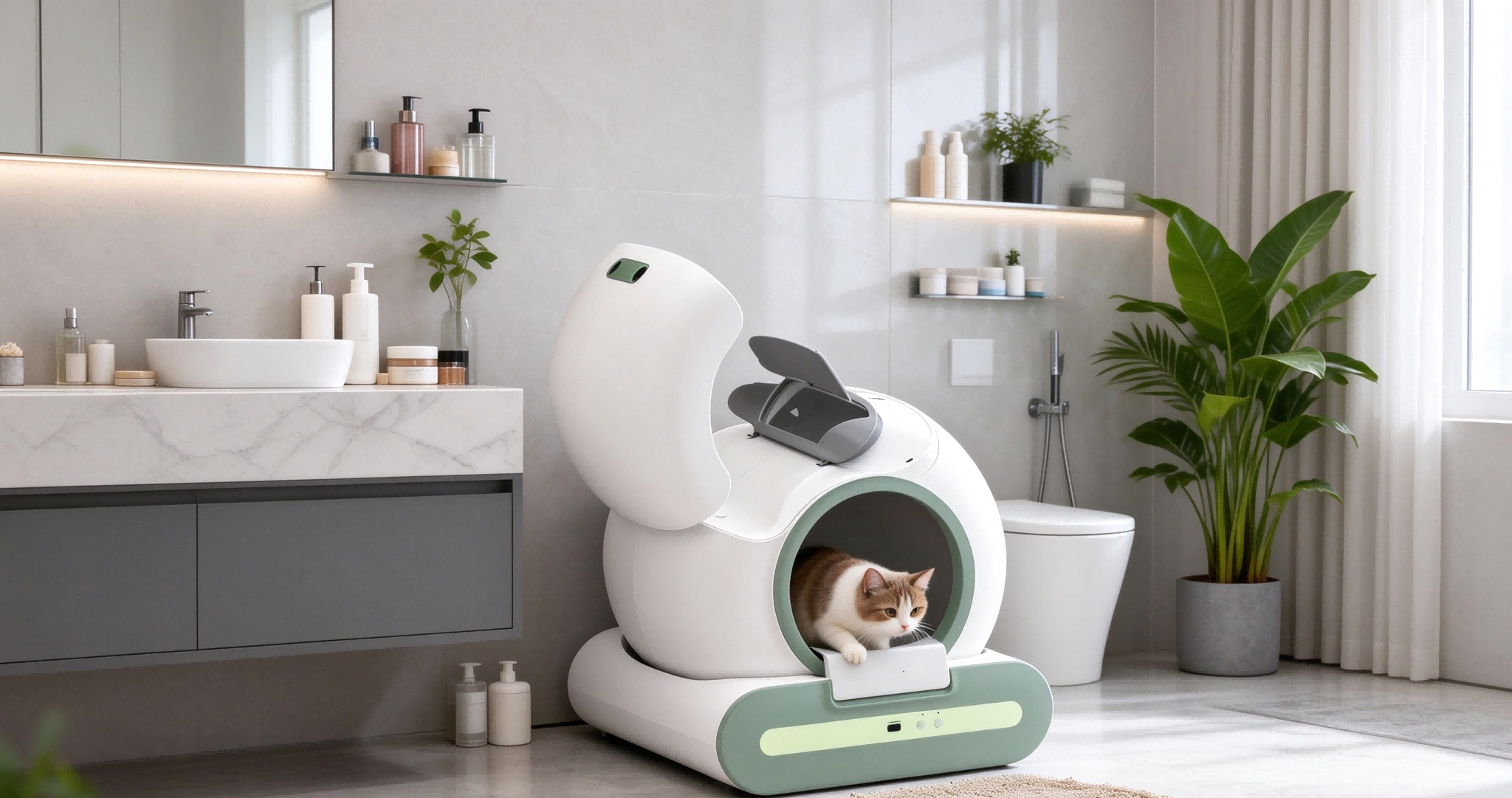
Smart cat litter boxes are creating new opportunities for pet brands, retailers, wholesalers, and distributors. As pet owners look for easier ways to manage daily cleaning and control odors, demand for automatic litter boxes is opening up new product opportunities.
However, launching a smart litter box involves more than choosing a design. Brands must consider product functions, safety, user experience, quality control, market requirements, and production capacity.
This is where OEM smart litter box solutions can help. By working with an experienced manufacturer, brands can develop products that match their target market without building their own factory or handling every technical task in-house.
Winpoint Products provides OEM and ODM solutions for smart pet care products, including self-cleaning cat litter boxes. With product development, customization, and manufacturing support, Winpoint helps global partners turn product requirements into market-ready solutions.
What Are OEM Smart Litter BoxSolutions?
OEM stands for Original Equipment Manufacturing. In the pet product industry, it means a manufacturer produces products based on a buyer's specifications and business needs.
For smart cat litter boxes, OEM services may cover:
- Brand customization: Logo placement, product colors, packaging, and user manuals.
- Product design: Selected changes to the housing, structure, and appearance.
- Function selection: Automatic cleaning, odor control, sensors, and app connectivity, depending on the product platform.
- Quality control: Product inspection, performance testing, and production checks.
- Production support: Sample approval, mass production, packaging, and delivery planning.
The exact scope depends on the manufacturer's capabilities and the project requirements. For brands that need more support with product design and development, ODM services may also be suitable.
Therefore, choosing the right manufacturing model is an important first step.
Why Global Pet Brands Choose OEM Smart Litter Boxes
1. Build a Distinct Product Line
Ready-made litter boxes can be useful for a quick market test. However, similar products may be sold by many brands, which can make price competition harder.
OEM gives brands more control over product appearance, packaging, and selected features. As a result, they can create a product line that better fits their brand identity.
For example, a retailer targeting the premium market may prefer a modern white design and app-based monitoring. In contrast, a mass-market distributor may focus on reliable cleaning, simple controls, and easy maintenance.
2. Choose Features for Your Target Market
Not every customer needs the same functions. Some buyers want basic automatic cleaning, while others look for smart monitoring and remote control.
Depending on the product platform, OEM smart litter box features may include:
- Automatic waste separation
- Odor control
- Weight and infrared sensors
- WiFi and app control
- Cleaning schedule settings
- Waste bin monitoring
- Quiet operation
- Easy-to-clean components
However, adding more features does not always make a product better. Brands should focus on functions that solve real customer problems and fit their target price.
3. Reduce In-House Development Work
Developing a smart litter box requires knowledge of mechanical design, sensors, motors, electronics, and product testing. It also takes time to identify and fix problems before mass production.
By working with an OEM manufacturer, brands can use an existing product platform or technical expertise as a starting point. This can reduce the amount of in-house development work required.
At the same time, brands can focus on sales channels, customer research, marketing, and distribution.
WinpointOEM Case Study: Developing Smart Litter Boxes for Different Market Segments
A published Winpoint case study shows how OEM and ODM manufacturing can support a global pet brand's product launch.
The partner was an international pet product distributor with sales channels in North America and Europe. It wanted to enter the smart cat litter box market but lacked its own R&D team for automatic cleaning, odor control, and app connectivity. It also needed products suited to different customer groups.
Winpoint worked with the partner on two product lines:
Standard smart cat litter box
Designed for mainstream retail, this model focused on automatic waste removal, odor control, ease of use, and affordability.
Premium white smart cat litter box
Designed for a higher-end market, this model included app control, pet weight tracking, litter usage data, quiet operation, and a modern white finish.
The project also covered product design, prototype testing, quality control, production planning, and supporting accessories. According to Winpoint's published case study, the initial order included 50,000 standard units, 20,000 premium white units, and 100,000 units of supporting supplies. Production and delivery were completed within 90 days.
The key lesson for global brands is that one manufacturing partner can support different product positions within the same category. Instead of offering only one standard litter box, a brand can develop options for mainstream and premium customers while building a consistent product range.
How to Develop an OEM Smart Litter Box Step by Step
A clear development process helps reduce delays, control costs, and avoid problems during mass production.
Step 1: Define Your Target Market
Before choosing a product, identify your main customers and sales channels.
Consider:
- Which countries or regions will you sell in?
- Are you targeting mainstream or premium buyers?
- Will you sell through retailers, distributors, or online stores?
- What price range fits your market?
- Which product features matter most to your customers?
These answers will guide the product design and feature choices.
Step 2: Select the Right Product Platform
Next, review the manufacturer's existing smart litter box models.
Compare their dimensions, waste capacity, cleaning system, odor control, sensors, connectivity, and maintenance needs. Then decide which functions should remain standard and which need customization.
Starting from an existing platform may reduce development work compared with creating a completely new design.
Step 3: Confirm Customization Requirements
Create a written specification covering the product, branding, packaging, accessories, and required functions.
At this stage, also discuss tooling costs, minimum order quantity (MOQ), sample fees, production lead time, and ownership of custom designs or molds.
Clear requirements help both sides avoid misunderstandings later.
Step 4: Test Samples Before Mass Production
A sample should be tested under realistic conditions before the order is approved.
Check cleaning performance, sensor response, noise, odor control, waste separation, app connection, and ease of cleaning. Also test how the unit behaves when a cat enters or leaves the cleaning area.
For electronic pet products, safety testing and failure checks are especially important. Do not rely only on product photos or a specification sheet.
Step 5: Confirm Quality and Market Compliance
Different markets may have different legal and retailer requirements. Ask your supplier which certifications and test reports apply to the exact product model and destination market.
Winpoint's published case study describes support for FCC, CE, and RoHS requirements, along with production inspections and performance tests. However, brands should confirm the applicable requirements for each specific model before placing an order.
Step 6: Plan Production and After-Sales Support
Once the sample is approved, confirm the production schedule, inspection plan, packaging details, shipping terms, spare parts, and warranty process.
For a global launch, these details matter just as much as the product itself. Reliable after-sales support can help protect your brand's reputation when products reach different markets.
What to Look for in a Smart Litter Box OEM Manufacturer
Not every supplier can support the same level of product development. Before making a decision, compare manufacturers in these areas:
Evaluation area
What to confirm
R&D capability
Experience with motors, sensors, electronics, and app functions
Customization
Logo, color, packaging, appearance, and selected features
Quality control
Sample tests, production checks, and final inspection
Compliance
Relevant certifications and test reports for your target market
Production capacity
Ability to meet your order volume and schedule
Communication
Clear specifications, project updates, and issue handling
After-sales support
Spare parts, warranty terms, and technical assistance
In addition, ask for a clear quotation that separates product costs, customization fees, tooling, packaging, testing, and shipping where applicable. This makes supplier comparisons more useful and helps you estimate the full project cost.
Common Mistakes to Avoid in OEM Smart Litter Box Projects
Even with an experienced supplier, a project can face problems if the requirements are unclear.
Choosing too many features. More functions can increase cost and complexity. Focus on the features your target buyers will value most.
Ignoring maintenance. Waste bins, removable parts, and cleaning access affect the daily user experience. Evaluate these details during sample testing.
Overlooking app performance. If the product relies on WiFi or an app, check setup, connection stability, notifications, and usability.
Placing a large order too early. Approve samples and confirm market requirements before committing to mass production.
Failing to plan accessories. Waste bags, litter mats, and other compatible supplies may create additional sales opportunities and improve the overall product experience.
Why Partner with Winpoint Products?
Winpoint Products focuses on smart pet care products, including self-cleaning cat litter boxes and automatic pet feeders. Its OEM and ODM services cover product development, design optimization, prototype testing, mass production, and after-sales support.
For global pet brands, this can provide a practical starting point for developing products around specific market needs. Rather than managing every part of product development internally, brands can work with a manufacturing partner to assess existing platforms, discuss customization, and plan production.
Whether you are launching your first smart litter box or expanding an established product line, define your market, product specifications, quality requirements, and launch timeline before selecting a supplier.
Visit Winpoint Products to explore smart pet product solutions and discuss your OEM or ODM project.


