Private Label Pet Products: A Comprehensive Guide for Retailers
News Details
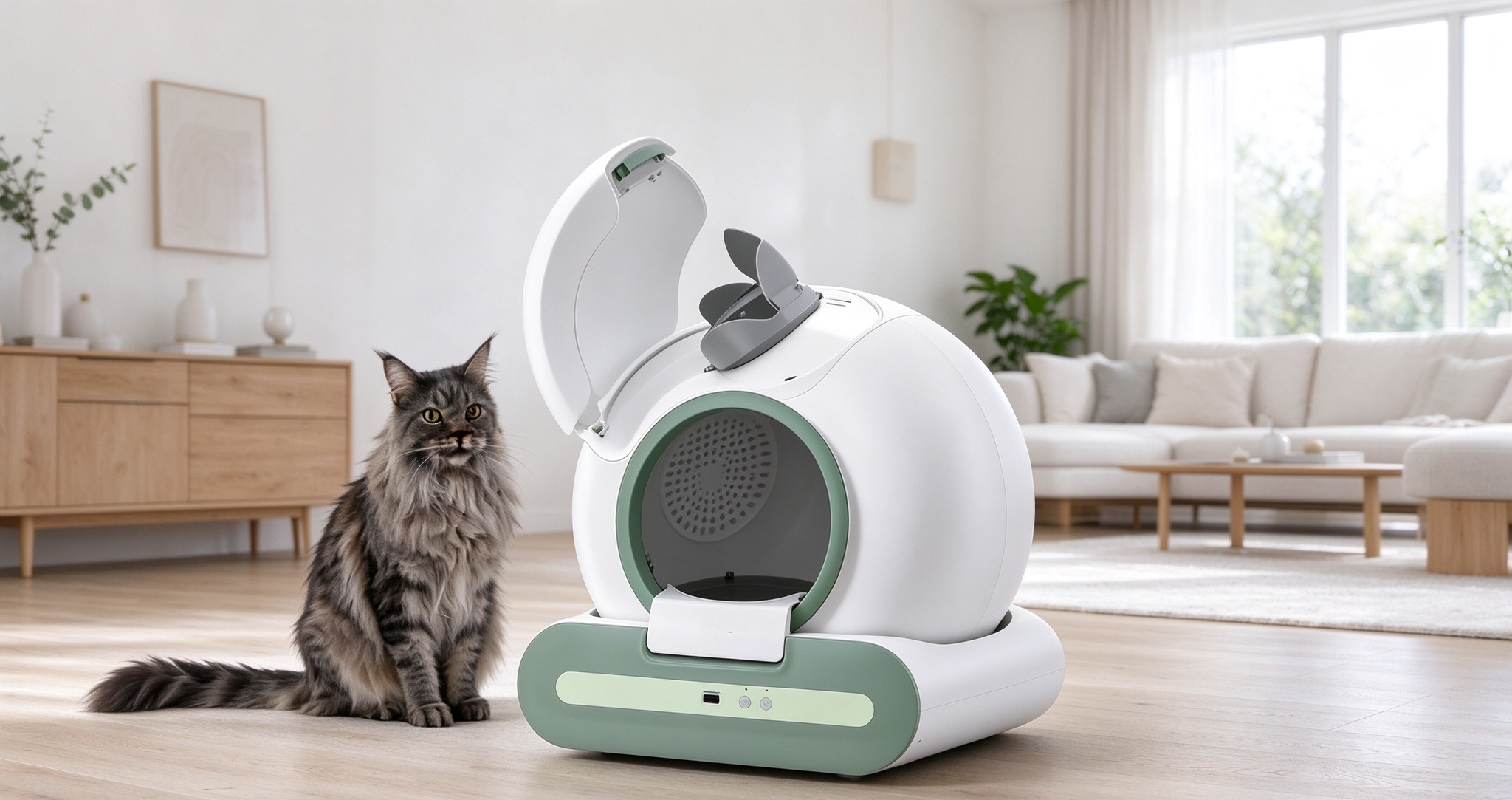
Private-label pet products are becoming an important growth option for retailers, distributors, and pet brands. Instead of selling products under a manufacturer's name, retailers can sell products under their own brand.
This approach gives businesses more control over product design, packaging, pricing, and brand identity. At the same time, retailers can work with an experienced manufacturer instead of building their own factory.
From automatic pet feeders and wet food feeders to self-cleaning cat litter boxes, smart pet products offer many opportunities for private-label development.
This guide explains how private-label pet products work, what retailers should look for in a supplier, and how to build a practical product line.
What Are Private-Label Pet Products?
Private-label pet products are products made by a manufacturer and sold under another company's brand.
For example, a retailer may source an automatic cat feeder from a pet product manufacturer. The manufacturer handles production, while the retailer sells the feeder under its own brand.
Depending on the project, private-label services may include:
- Custom brand logo
- Product color
- Retail packaging
- User manuals
- Product labels
- Accessories
- Product configuration
- App or software branding
- Product appearance changes
Private labeling is different from simply buying ready-made products for resale. The goal is to create a product line that customers connect with your brand.
Why Retailers Choose Private Label Pet Products
There are several reasons retailers choose private-label products.
Build a Stronger Brand
Selling a product under your own brand gives customers a clear reason to remember your business. Instead of competing only on price, you can build a recognizable product range.
Control Product Positioning
A retailer can choose whether a product is positioned as affordable, premium, smart, compact, or specialized.
For example, a retailer targeting technology-focused pet owners may choose a smart pet feeder with app control and a camera. Another brand may focus on a simple automatic feeder for everyday use.
Improve Product Flexibility
Private-label manufacturing can also make it easier to adapt a product to a specific market.
For example, packaging, product colors, accessories, and selected functions can be adjusted based on customer needs.
Expand the Product Range
Retailers do not need to develop every product from zero.
An existing manufacturer can provide a proven product platform, while the retailer focuses on branding, sales, and distribution.
Which Pet Products Are Suitable for Private Label?
The right product depends on your target customers and sales channels. However, smart pet care products offer several practical opportunities.
Automatic Pet Feeders
Automatic cat feeders and automatic dog feeders are suitable for retailers that want to enter the smart pet care market.
Features can include scheduled feeding, remote feeding, app control, backup power, and detachable food parts.
For example, Winpoint offers smart pet feeders with app-based feeding schedules, one-touch remote feeding, backup battery support, and removable food hoppers and bowls.
Wet Food Feeders
Wet food feeders are another private-label opportunity.
Compared with standard dry food feeders, wet food systems can require more attention to temperature, food freshness, cleaning, and meal timing.
Winpoint's current product range includes a smart wet food feeder with cooling, heating, and automatic lid functions. This gives brands an option for developing a more specialized feeding product rather than selling a basic feeder.
Self-Cleaning Cat Litter Boxes
Self-cleaning cat litter boxes can also work well as private-label products for retailers looking to build a smart pet care range.
Winpoint's T-Pro smart litter box, for example, combines WiFi and app control, automatic waste handling, odor control, safety sensors, and a low-noise design.
For retailers, this type of product can complement automatic feeders and create a broader smart pet product line.
Private Label vs. OEM vs. ODM
These terms are often used together, but they are not exactly the same.
Private label usually means selling a manufacturer's product under your own brand.
Private label usually means selling a manufacturer's product under your own brand.OEM generally means producing a product based on an existing design or specification, with customization for the buyer.
OEM generally means producing a product based on an existing design or specification, with customization for the buyer.ODM provides more design support. The manufacturer can help develop or modify the product based on the buyer's requirements.
ODM provides more design support. The manufacturer can help develop or modify the product based on the buyer's requirements.In practice, the three models can overlap.
For example, a retailer may start with an existing automatic feeder, add its logo and packaging, and launch it as a private-label product. Later, the same retailer may request changes to the housing, functions, or accessories through an ODM project.
Winpoint provides OEM and ODM solutions for smart feeders, wet food feeders, and self-cleaning cat litter boxes.
How to Choose a Private-Label Pet Product Supplier
Choosing the right supplier is one of the most important steps.
1. Check Manufacturing Experience
Look beyond product photos.
Ask how long the manufacturer has worked in the pet product industry and whether it has experience with international customers.
A supplier with experience in smart pet products can also help identify technical problems earlier in the project.
2. Review Product Quality
Before placing a bulk order, request samples and test them carefully.
Check:
- Materials
- Product assembly
- Motor performance
- Noise level
- Feeding accuracy
- App functions
- Safety features
- Cleaning and maintenance
- Packaging quality
For electronic products, also ask about quality control during mass production.
3. Ask About Customization
Not every factory offers the same level of customization.
Confirm whether the supplier can support your needs for:
- Logo placement
- Product color
- Packaging
- Manuals
- Labels
- Accessories
- Product appearance
- Software or app requirements
This is especially important when building a long-term brand.
4. Understand MOQ and Lead Time
Minimum order quantity can have a major effect on your launch plan.
A high MOQ may create too much inventory risk for a new retailer. Therefore, ask about sample orders, trial orders, and different MOQ options before making a decision.
You should also confirm the expected lead time for samples, customization, production, inspection, and shipping.
5. Confirm Quality and Compliance Support
Different markets may have different product and electrical requirements.
For smart pet products, ask the manufacturer which certifications and test reports are available for the target market.
Winpoint's documented smart cat litter box project, for example, involved requirements related to international standards including FCC, CE, and RoHS. The project also included product development, prototype testing, mass production, and quality control.
Winpoint Case Study: From Standard Product to Private-Label Solution
Winpoint Case Study: From Standard Product to Private-Label SolutionA useful example comes from a Winpoint project with an international pet product distributor.
The distributor had established sales channels but did not have its own smart pet product R&D capability. It needed smart cat litter boxes with automatic cleaning, odor control, app connectivity, and customization options.
Winpoint worked with the partner through product development, design optimization, prototype testing, mass production, and after-sales support. The project also included customization for different market needs, including a white smart cat litter box aimed at a premium segment.
This shows an important point for retailers: private label does not always have to mean putting a logo on an existing product. With the right manufacturing partner, it can become a longer-term product development program.
How to Build a Private-Label Pet Product Line
Retailers should avoid launching too many products at once.
A better approach is to start with a focused product range.
For example, a smart pet brand could build its first line around:
- Automatic cat feeder
- Smart automatic dog feeder
- Wet food feeder
- Smart self-cleaning cat litter box
- Supporting pet care accessories
These products can target similar customers while giving the retailer more opportunities to cross-sell.
For a new brand, it can also be useful to test one or two products first. After reviewing sales, customer feedback, and return rates, the retailer can expand the range.
Common Private Label Mistakes to Avoid
Private label can reduce product development work, but it does not remove the need for careful sourcing.
Choosing Only by Price
The cheapest supplier is not always the lowest-cost option in the long run.
Poor quality can lead to returns, warranty claims, bad reviews, and extra logistics costs.
Skipping Product Samples
Never rely only on product photos or specifications.
A physical sample allows you to test the actual product before committing to a larger order.
Ignoring After-Sales Support
Smart pet products contain electronic and software components. Therefore, technical support can be important after the product reaches the market.
Ask how the manufacturer handles product defects, spare parts, software issues, and warranty questions.
Ordering Too Much Too Early
A large first order may reduce the unit price, but it can also tie up cash and create inventory risk.
A smaller initial launch can provide useful market feedback before you scale production.
Why OEM/ODM Support Matters for Retailers
For retailers that want more than a standard product, OEM and ODM support can make the sourcing process easier.
A capable partner can support different stages of the project, from product selection and customization to testing and mass production.
Winpoint's OEM/ODM product range covers smart pet feeders, wet food feeders, and self-cleaning cat litter boxes. Its solutions include product customization, packaging, and selected product requirements for pet brands and distributors.
For retailers, this creates a more direct path from product idea to branded product.
Final Checklist for Private-Label Pet Product Sourcing
Before placing an order, make sure you have confirmed:
- Product specifications
- Target market
- MOQ
- Sample approval
- Product customization
- Packaging requirements
- Certifications and test reports
- Quality control process
- Production lead time
- Shipping terms
- Spare parts
- Warranty and after-sales support
A clear checklist can prevent many problems later.
Start Your Private-Label Pet Product Project
Private-label pet products give retailers a practical way to build their own brands without developing an entire manufacturing operation.
The key is to choose products that fit your customers, work with a manufacturer that understands your target market, and start with a clear product and quality plan.
For retailers interested in smart pet care, Winpoint Products provides OEM and ODM solutions covering automatic pet feeders, wet food feeders, and self-cleaning cat litter boxes. Its manufacturing and product development capabilities can support projects from product customization through mass production.
Explore WinpointProducts and discuss your private-label pet product requirements at www.winpointpet.com.


