Do cats like Smart Cat Litter Boxs?
Do cats like smart litter boxes? Understand cat reactions to automatic litter boxes, why some adapt quickly, why others need time, and how to introduce one step by step.
2026/11/16
Reading volume: 2
News Details
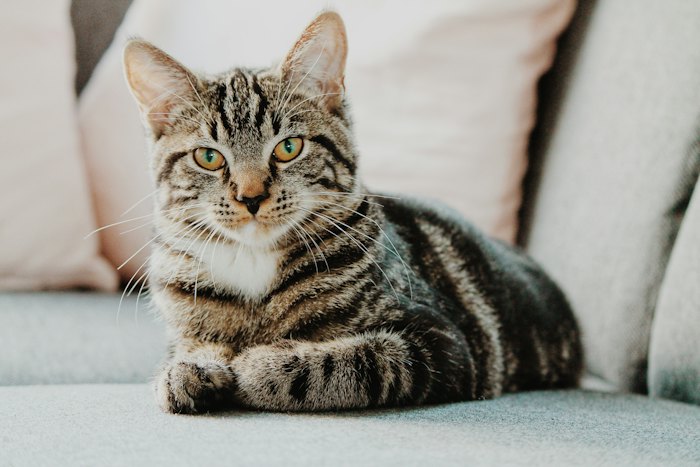
Many pet owners ask one question before they upgrade: do cats like smart cat litter boxes? The short answer is yes. Most cats accept and often prefer a smart cat litter box once they get used to it. The result still depends on the cat, the box design, and the way the owner introduces it.
In this article, we explain what cats really think about automatic litter boxes, why some adapt fast, and how to make the switch easy. Our notes come from WINPOINT product testing and from feedback collected from global buyers.
1. What Is a Smart Cat Litter Box?
A smart cat litter box is also called an automatic or self-cleaning litter box. It cleans itself. After the cat leaves, a sensor starts the cleaning cycle. The box sifts the litter, separates the waste, and drops it into a sealed drawer. Many models also record how often the cat uses the box and send the data to a mobile app.
For owners, this means no daily scooping. For cats, it means a clean toilet on every visit. Cats are clean animals. This is the main reason why many of them like smart litter boxes.
2. Why Many Cats Like Smart Cat Litter Boxes
- Clean litter every time. Cats do not like using dirty litter. A smart box removes waste within minutes, so the cat always finds a fresh surface.
- Less smell. The sealed waste drawer locks odors inside. Cats have a strong sense of smell, so a low-odor toilet is simply more comfortable.
- Soft, even litter. Most smart boxes work with fine clumping litter. It feels gentle on paws, and many cats enjoy digging in it.
- Privacy and quiet operation. A well-built box runs only when the cat is away. The cat can do its business without being disturbed.
3. Why Some Cats Need More Time
Not every cat accepts a new box on day one. From user feedback collected by our factory, a few situations appear again and again:
- Shy or older cats may need one to two weeks to trust the moving parts.
- Noise sensitivity. A loud motor can scare a cat away. This is why quiet design matters for every automatic cat litter box.
- A new smell and texture. Cats rely on scent. A brand-new box smells different, so some cats need time to mark it as theirs.
- The wrong size. Large breeds need a bigger entry and chamber. A box that feels tight will be rejected.
The good news is that most cats adapt within a few days when the introduction is done step by step.
4. How to Help Your Cat Accept a Smart Litter Box
- Keep the old box nearby. Place the smart box next to the old one for the first few days. Do not remove the old box right away.
- Turn off auto-cleaning at first. Let the cat explore the box while it is still and quiet. Start the automatic cycle after two or three days.
- Use familiar litter. Fill the new box with the same litter the cat already knows. Change one thing at a time.
- Never force the cat in. Let curiosity do the work. A treat placed near the box, but not inside it, helps build a positive feeling.
- Watch the health data. Once the cat uses the box, the usage records help owners notice early changes. Our article Do vets recommend Smart Cat Litter Boxes? explains what veterinarians say about this point.
5. What Real Owners Report
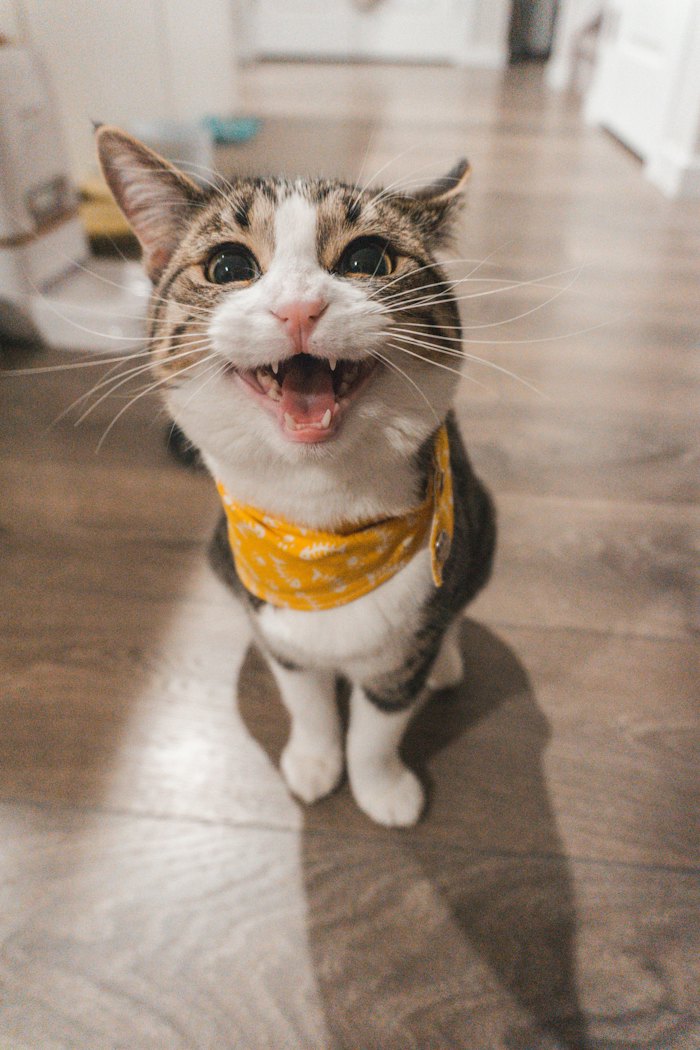
Across thousands of reviews we studied, the pattern is clear. Cats that accept the box often use it more often than their old tray, because the litter is always clean. Owners of multi-cat homes also report fewer accidents outside the box. The most common reason for rejection is a noisy or poorly built unit, not the idea itself.
This is why the build quality of an automatic litter box matters so much. If you compare models, our guide Self Cleaning Litter Box vs Traditional Litter Box explains the main differences in cleaning, odor control, and cost.
6. Conclusion: Do Cats Like Them?
Yes. Most cats like smart cat litter boxes because these boxes offer what cats want most: a clean, quiet, low-odor toilet. A small number of shy or senior cats need a slower introduction, but with a patient switch plan, adaptation is usually smooth.
For pet owners, a smart box means freedom from daily scooping. For distributors and retailers, it is one of the fastest-growing categories in the pet supplies market. As a cat litter box supplier working with buyers in many markets, WINPOINT keeps these cat-side details in every design review.
Want to see the models that pass real cat testing? Browse our smart cat litter box product line, visit the WINPOINT homepage, or contact our sales team for catalogs, samples, and OEM options.
Share to:


